
Journal
Studio visits, career turns and the odd argument: the writing that does not fit inside a profile.
-
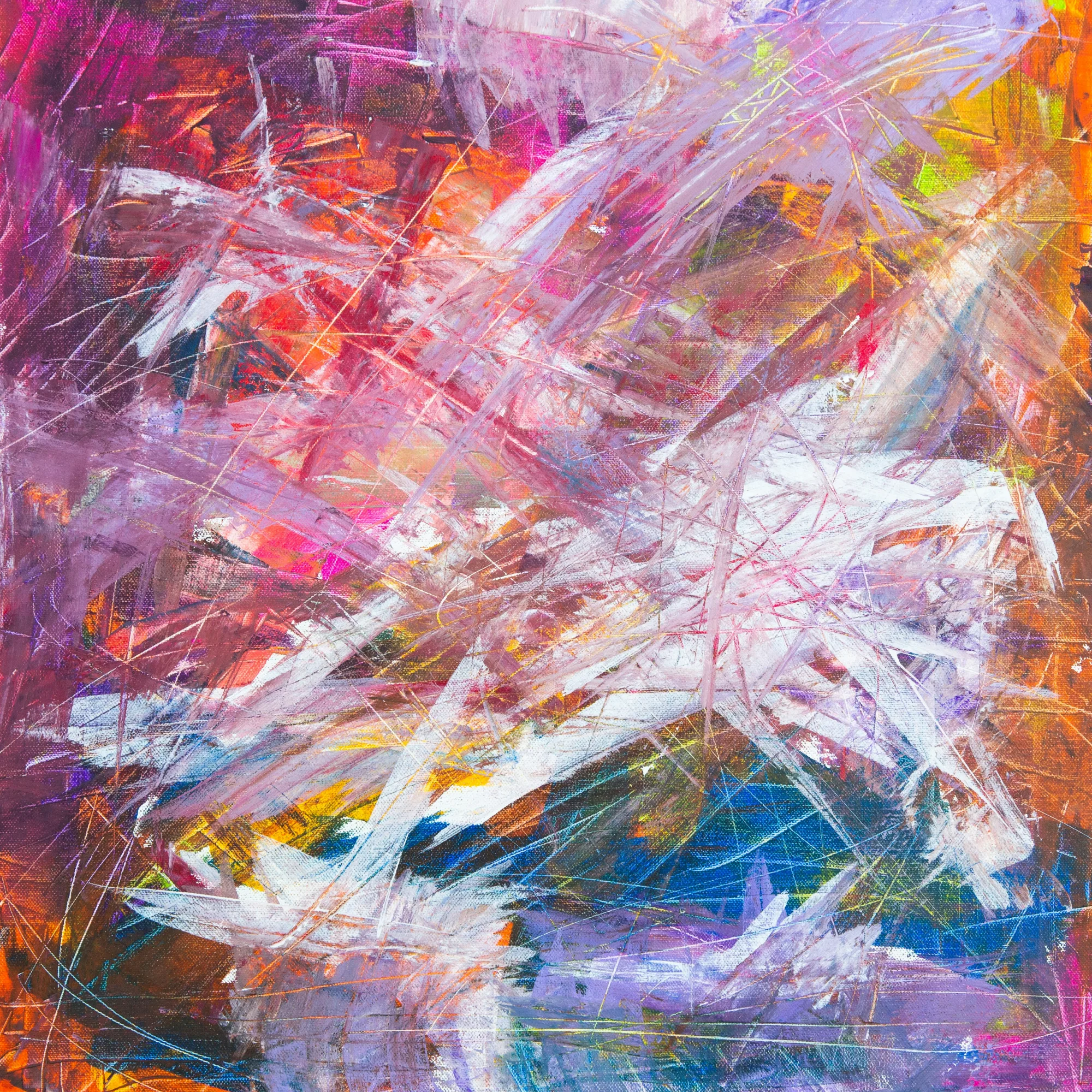
Emily Dickinson: The Reclusive Poet Who Changed American Verse
Born in 1830 in Amherst, Massachusetts, Emily Dickinson wrote nearly 1,800 poems during her lifetime, though only a handful were published before her death in 1886. Her innovative use of form and syntax reshaped American poetry.
-
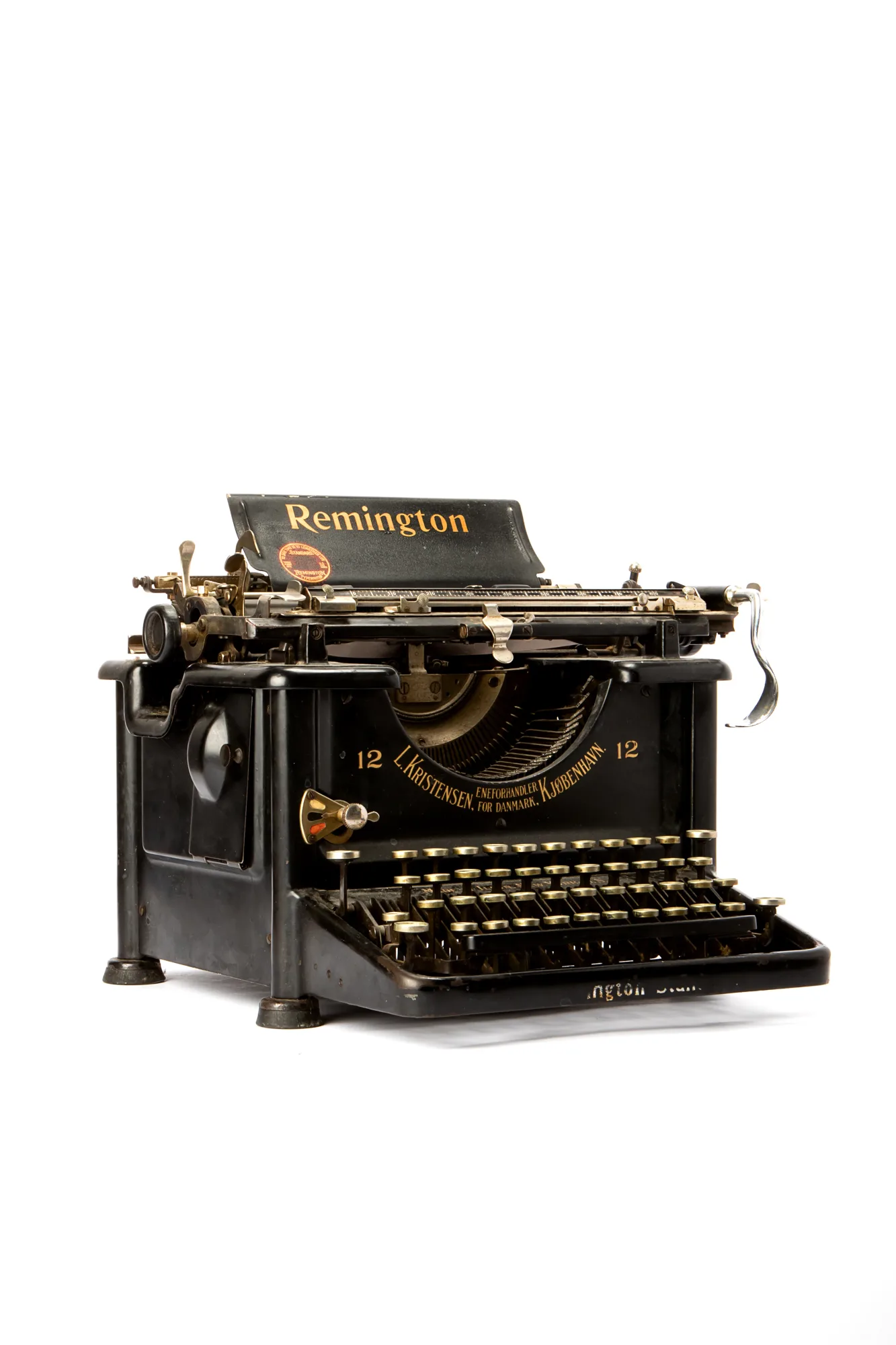
July 1951: J. D. Salinger’s The Catcher in the Rye Reaches American Readers
On July 16, 1951, Little, Brown published J. D. Salinger’s first and only full-length novel. The book quickly drew both strong praise and sharp criticism, while its teenage narrator became a distinctive voice in American fiction.
-
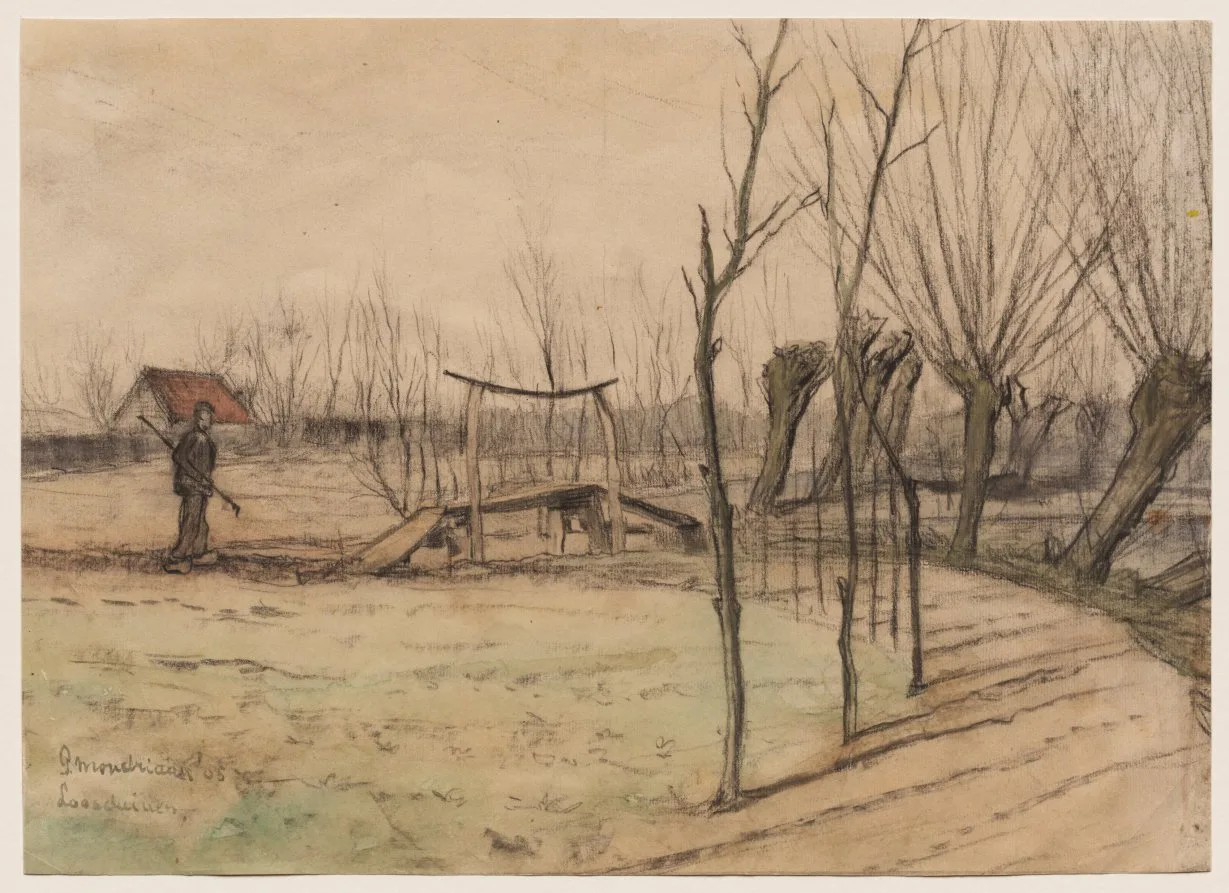
Charles Rennie Mackintosh and the Glasgow School of Art
Mackintosh won the competition for the Glasgow School of Art in 1897 as a junior draughtsman on a small budget. The building he produced is the one work everyone agrees about.
-
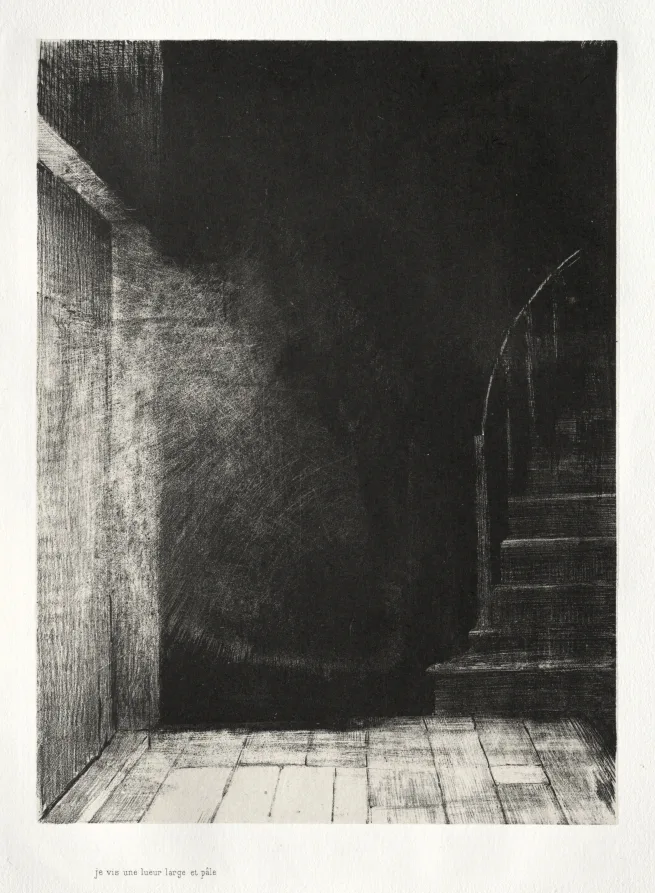
Berthe Morisot and the retrospective of 1896
Morisot died in March 1895. A year later Monet, Degas, Renoir and Mallarme organized a memorial exhibition of about three hundred works, and it is the reason her career was not simply forgotten.
-
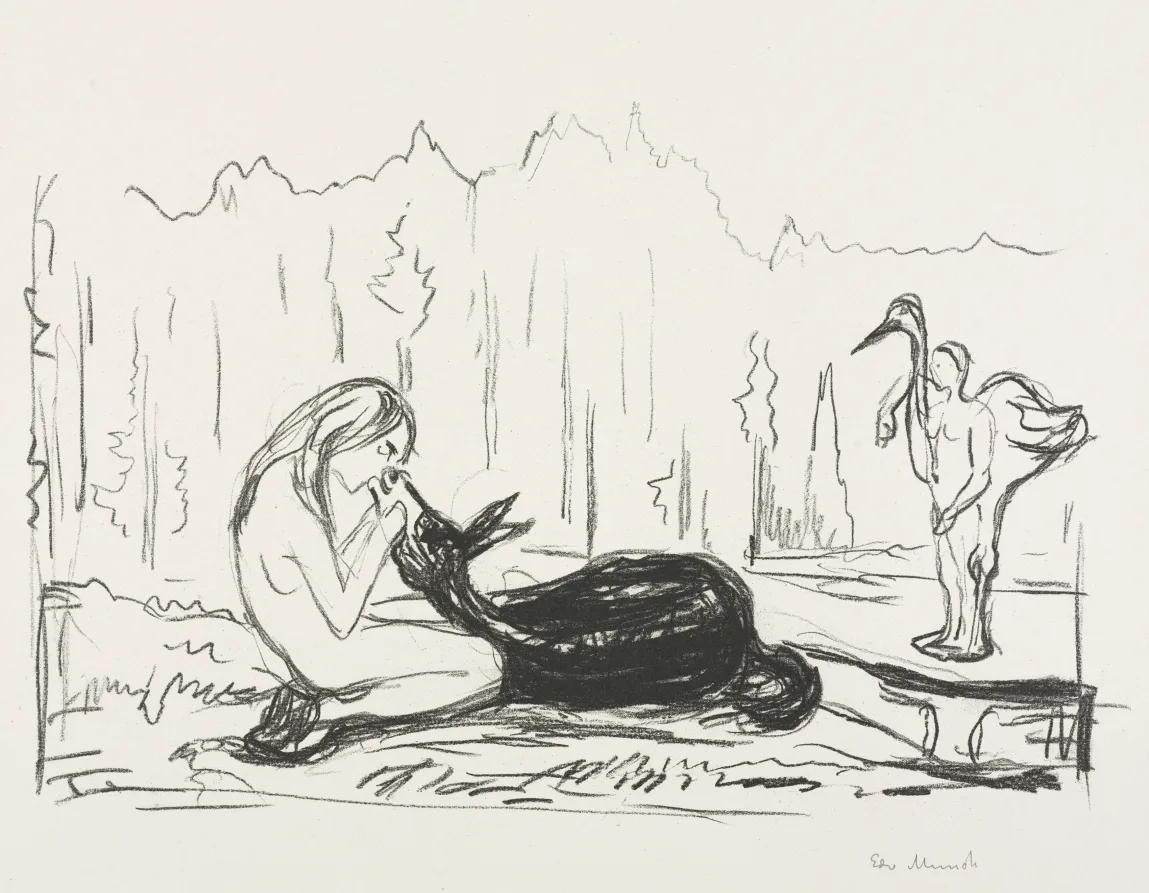
Rodin and his own pavilion at the 1900 exhibition
Rather than take a stand inside the 1900 world exhibition, Rodin borrowed money and built his own pavilion outside the gates. It nearly ruined him and then made him internationally famous.
-
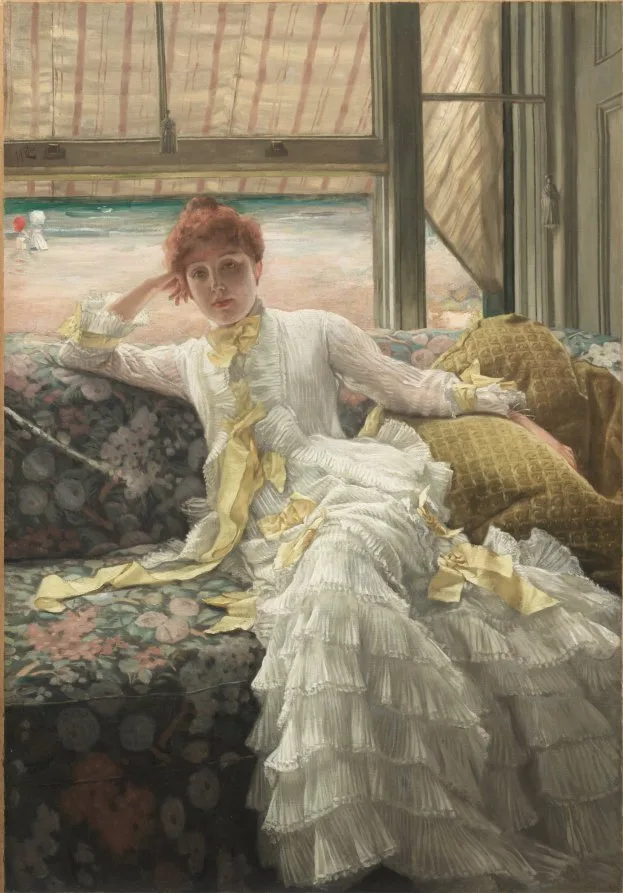
Whistler and the invention of the modern hang
Whistler treated the room as part of the picture. He designed his own frames, chose the wall color and hung work in a single line, which is roughly how every gallery has done it since.
-
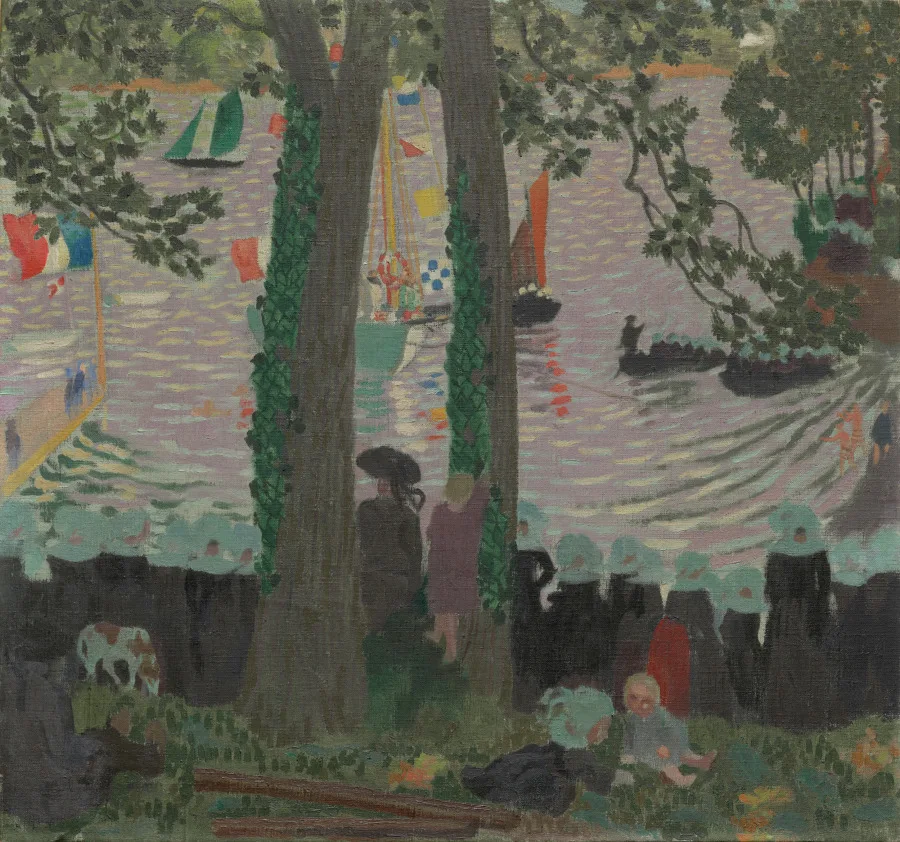
Picasso in Paris, 1900 to 1901
Picasso arrived in Paris at nineteen, had a show at Vollard within eight months of his second visit, and then stopped painting anything cheerful. The blue pictures start at the end of that year.
-
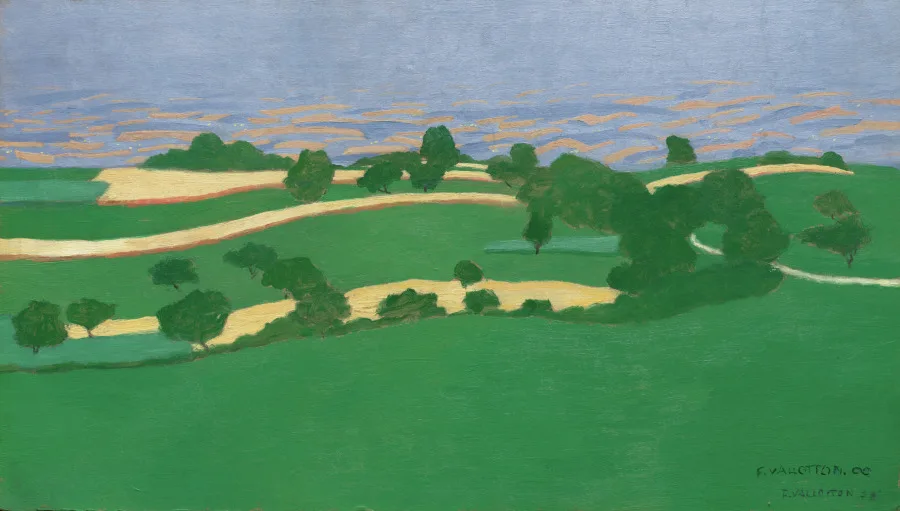
Camille Pissarro and the city series of the late 1890s
An eye condition drove Pissarro indoors in the mid 1890s, so he rented hotel rooms and painted what he could see from the window. The city series are the last major body of work he made.
-
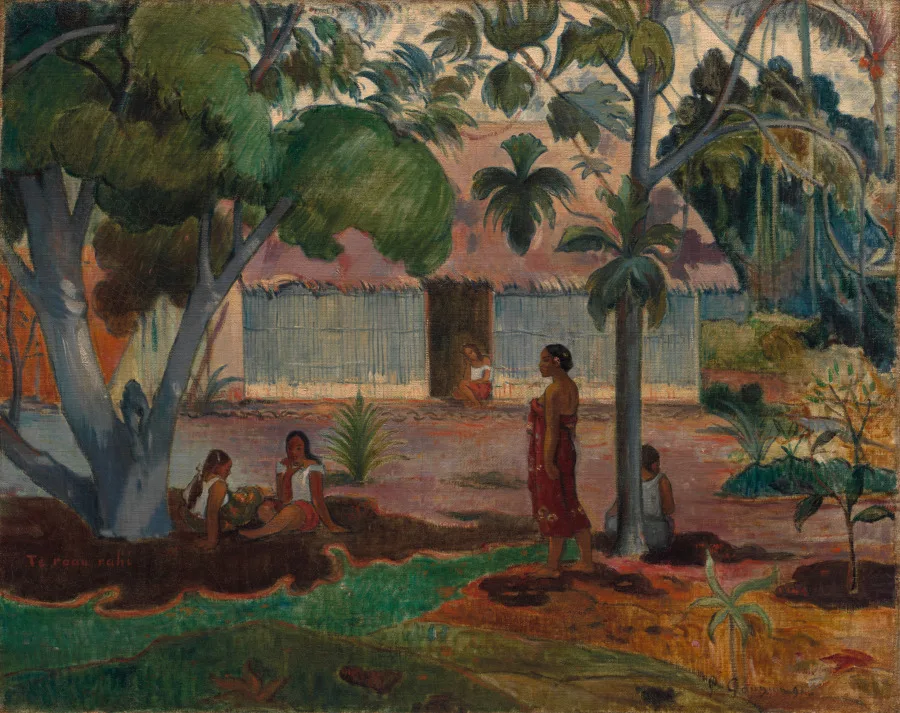
Paul Gauguin in the Marquesas and what happened after 1903
Gauguin spent his last two years on Hiva Oa, in debt, in court, and painting. He died in May 1903, and the reputation that made his prices was assembled by other people afterwards.
-
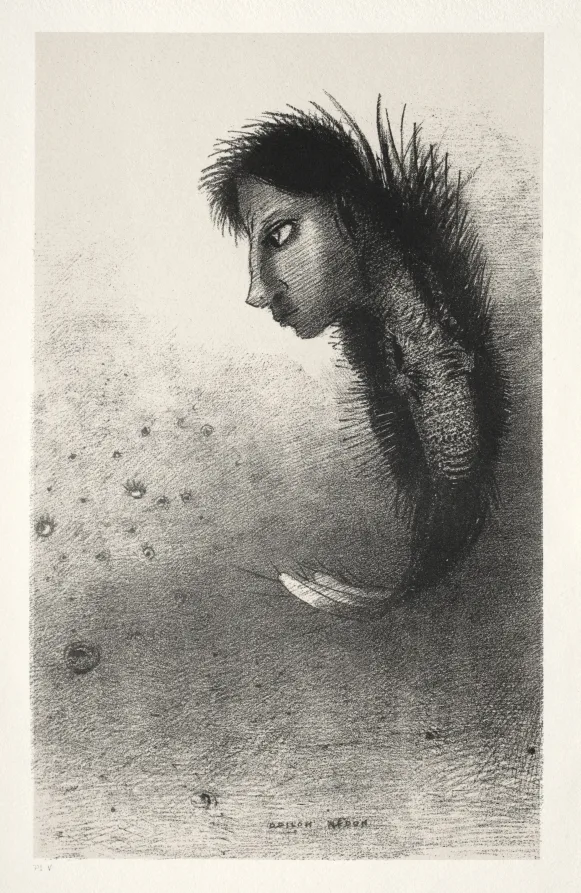
Aubrey Beardsley: six years of work and a long afterlife
Beardsley published his first widely seen drawings in 1893 and was dead by March 1898 at twenty five. What he made in those six years, and how the market for it settled once he was gone.
-
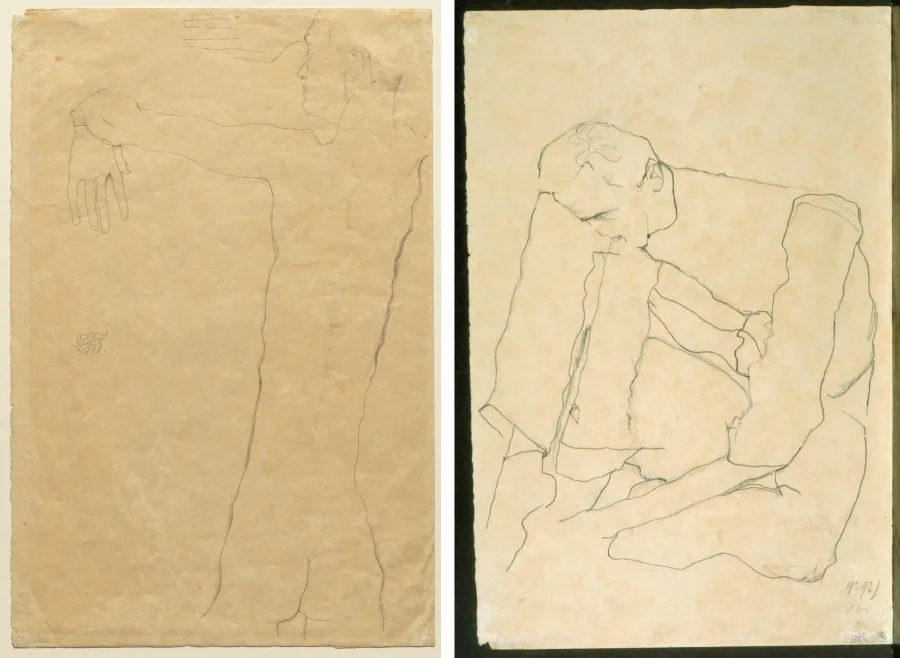
Gustav Klimt and the University of Vienna panels
Klimt took a safe state commission in 1894 and spent eleven years fighting about it. He bought the paintings back, stopped working for the state, and the pictures themselves burned in 1945.
-
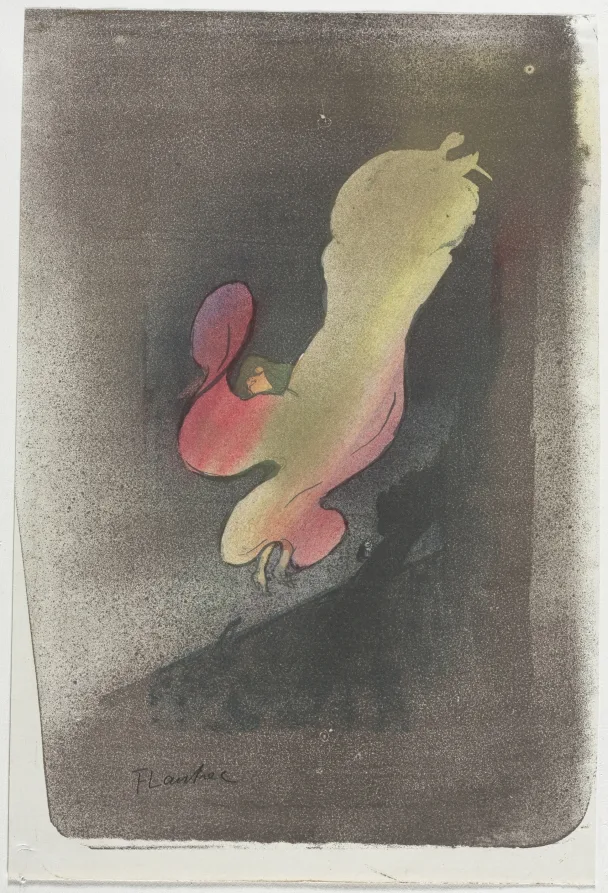
Alphonse Mucha and the poster that made his name
A printing house in Paris handed Mucha an urgent poster job over the New Year holiday of 1894 because nobody else was in the building. The sheet that resulted set the terms of the rest of his working life.
-
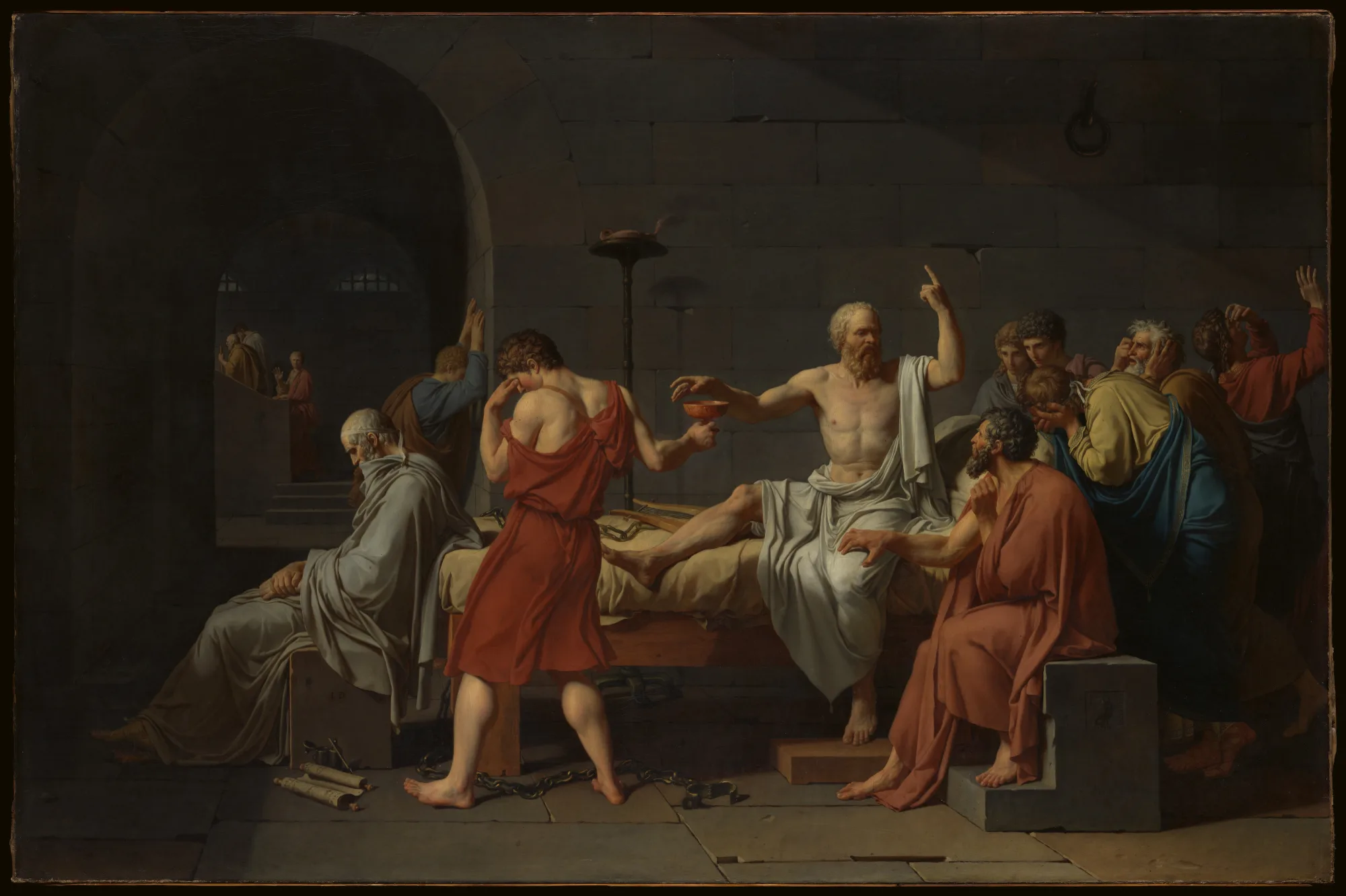
How artists price their own work
Most prices in a studio come from one of three methods, and each leaves a different trace. Understanding how the number was built tells a buyer what it is worth arguing about.
-
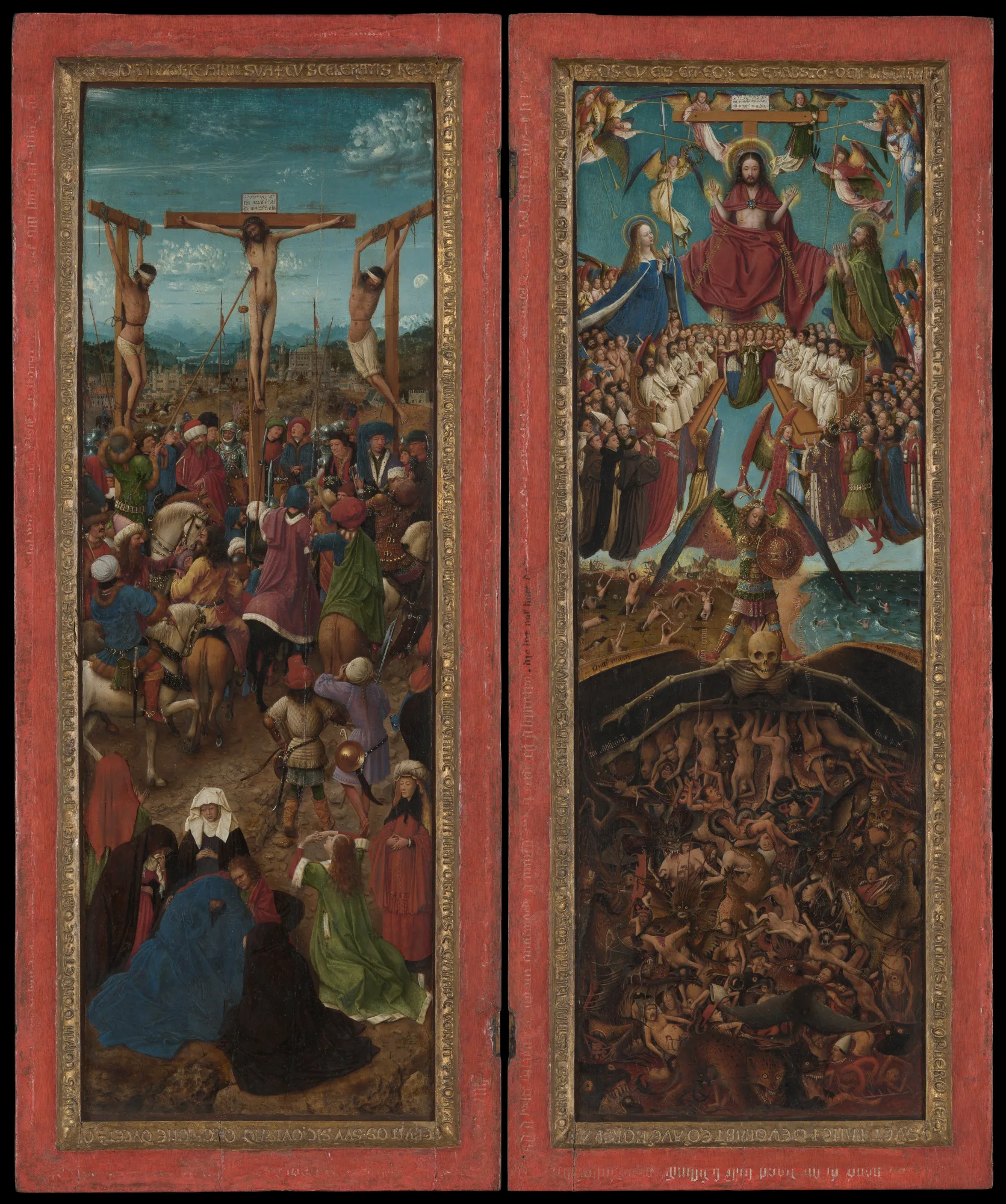
Studio visits: what to look at and what to ask
A studio tells you how much work exists, how it is made and how the artist thinks about the next picture. Here is what to look at, what to ask and how to behave.
-
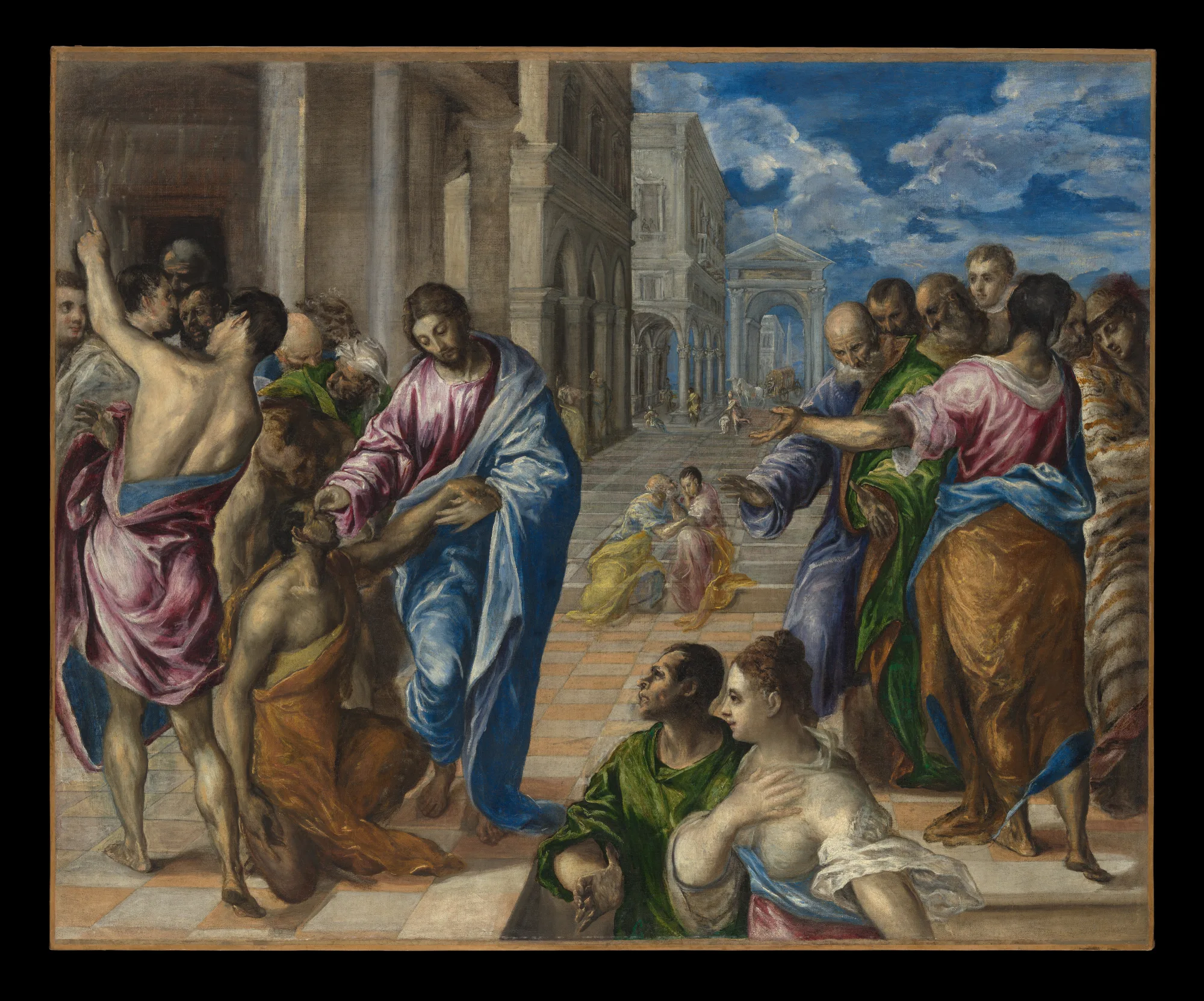
Undervalued artists: why good work stays cheap for a while
Price follows demand, and demand follows access, fashion and paperwork. These are the ordinary reasons capable painters stay inexpensive, and the signs that a discount is closing.
-
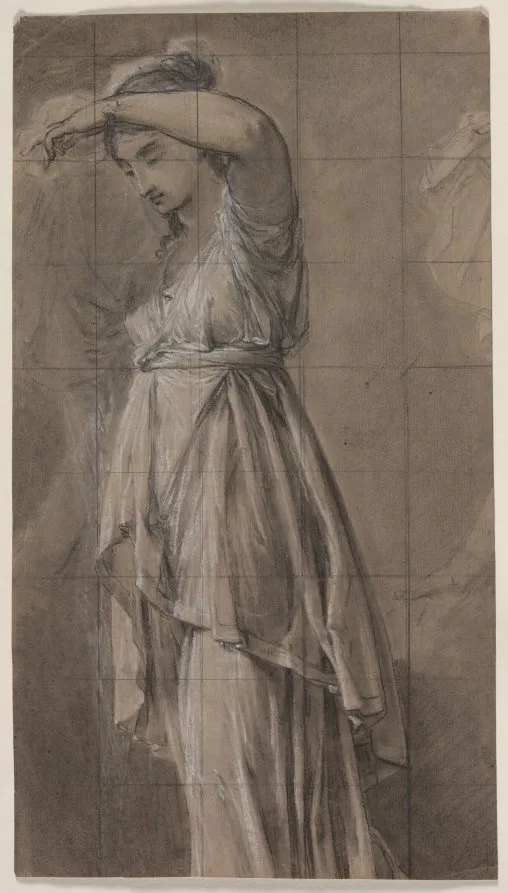
What an artist CV actually tells a buyer
Exhibition lists, residencies, collections, awards. Most of a CV is padding and a few lines are load bearing. This is how collectors read one without being flattered by the length of it.
-
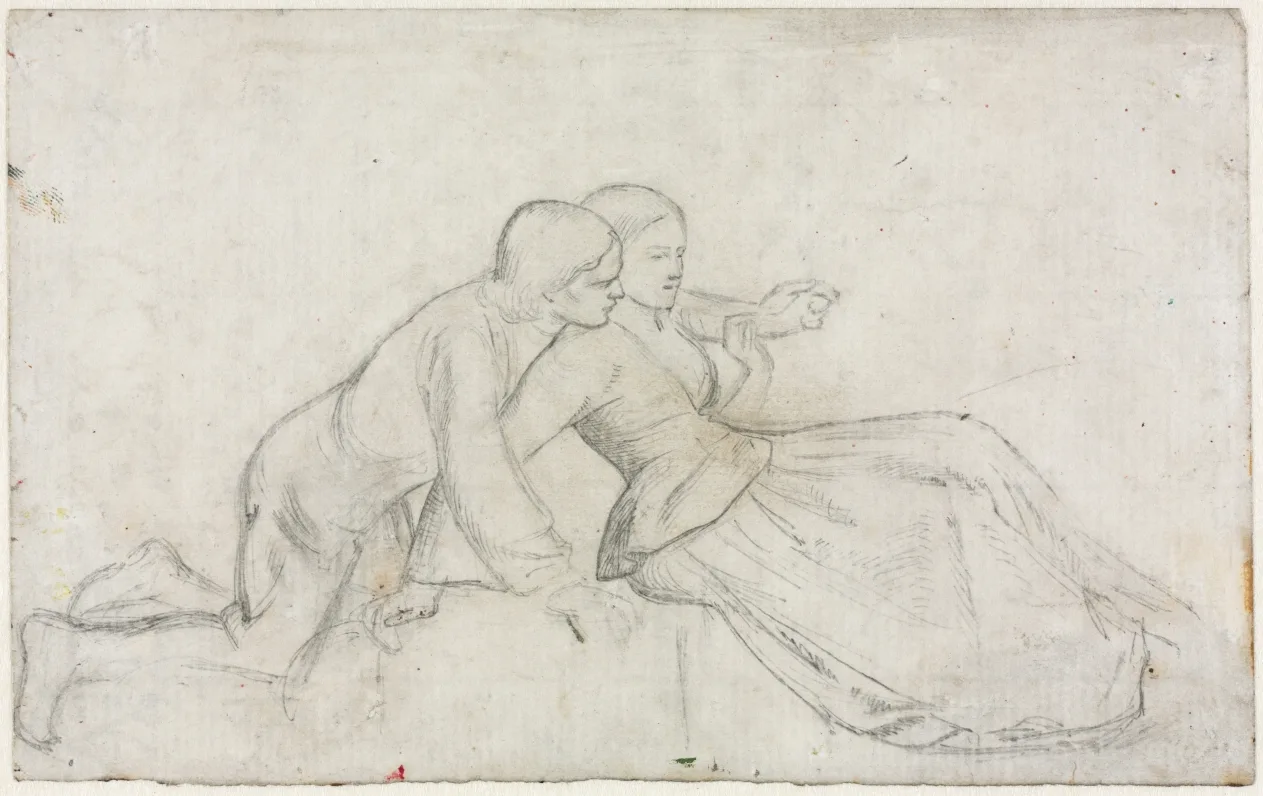
How to spot an emerging artist before the market does
Nobody keeps a register of talent, so collectors build their own. These are the dull, checkable signals that tend to appear before prices move, and the loud ones that predict almost nothing.
-
Edgar Allan Poe and the American Art of Suspense
Edgar Allan Poe helped shape American poetry, Gothic fiction, and detective literature. His short career left a lasting influence through works that explore grief, fear, reason, and the uncertain boundaries of the mind.
-
Mark Twain Turned American Speech into Literature
Mark Twain became one of the defining voices of nineteenth-century American literature by bringing regional speech, humor, and social observation into his fiction. His novels remain closely connected with the landscapes and conflicts of the United States.
After a name instead? Every artist we profile sits in the directory.
Or read about the Russian painters we follow closest.