
Picasso in Paris, 1900 to 1901
Picasso arrived in Paris at nineteen, had a show at Vollard within eight months of his second visit, and then stopped painting anything cheerful. The blue pictures start at the end of that year.
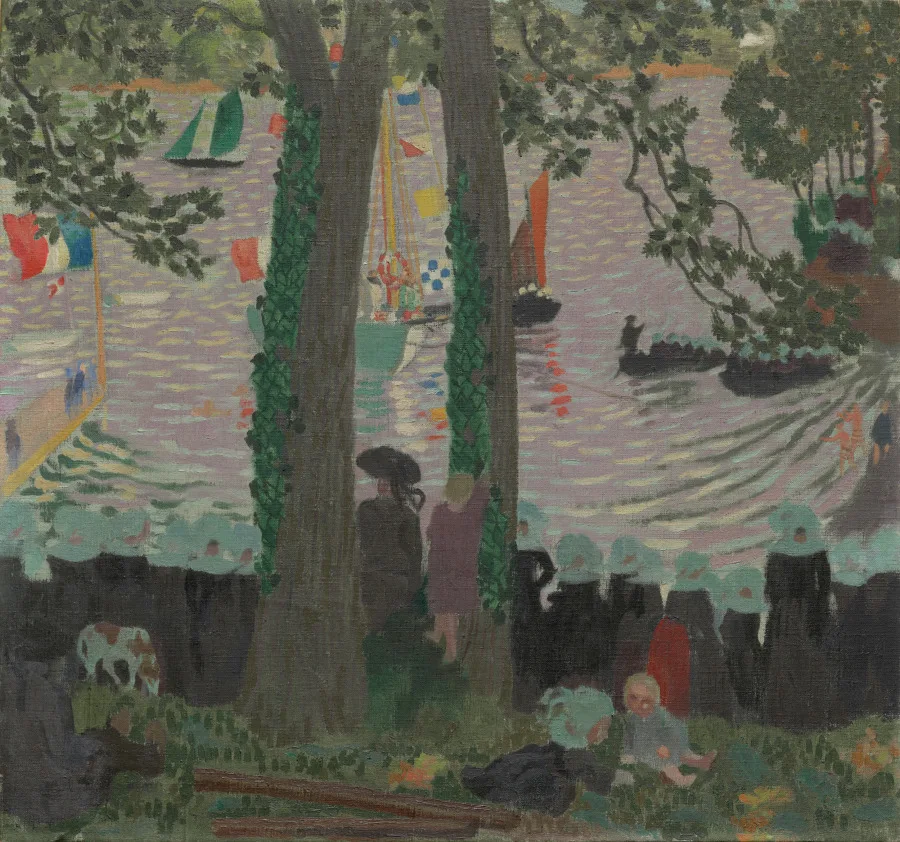
Picasso first came to Paris in October 1900, aged nineteen, with his friend Carles Casagemas. The trip was timed to the world exhibition, where a painting of his hung in the Spanish section. He stayed a few weeks, sold some pastels through a dealer, ran out of money and went back to Spain before the end of the year. Nothing about that first visit suggested anything except a competent young Spaniard with a good hand.
He came back in May 1901, and this time the visit had a purpose. Pere Manach, a Catalan working as an agent in Paris, had arranged an exhibition at Ambroise Vollard's gallery on the Rue Laffitte. It opened in late June. Picasso had roughly six weeks to fill the walls and produced dozens of canvases in that time, working fast and loud, in thick paint and strong color.
What the Vollard show actually was
It was a shared exhibition with the Basque painter Francisco Iturrino, which is worth remembering when people describe it as a solo debut. The catalogue listed dozens of works by Picasso and the walls held more than the catalogue admitted. Subjects came straight out of the Paris he had been looking at: dance halls, race meetings, women at tables, children. The handling owes an obvious debt to Toulouse-Lautrec and to Van Gogh, and Picasso was not hiding it.
The reception was better than a first show usually gets. Felicien Fagus reviewed it for La Revue Blanche and named the borrowings openly while insisting the talent was real. Some works sold. Vollard, who had already handled Cezanne and Gauguin, took the young man seriously enough to keep a relationship going, though he did not buy the blue paintings when they came.
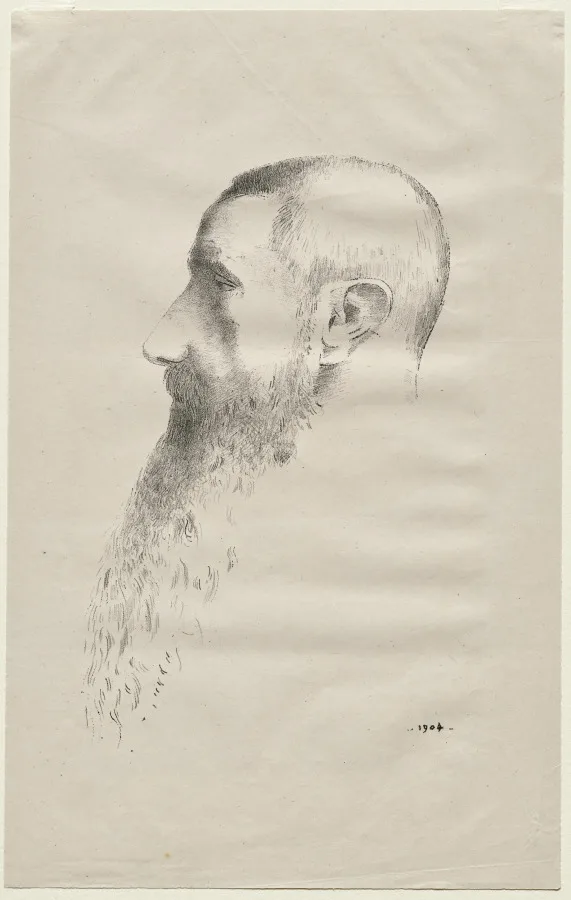
Casagemas is the other half of this year. He had shot himself in a Paris cafe in February 1901, over a woman, a few months before the exhibition opened. Picasso was in Madrid at the time and did not go to the funeral. Through the autumn he painted Casagemas dead, Casagemas in a coffin, and finally the large picture usually called Evocation, and the color drained out of everything he touched.
- The first Paris visit ran from October 1900 and lasted only a few weeks
- Picasso returned in May 1901 and stayed through the winter of that year
- The Vollard exhibition opened in late June 1901 and was shared with Francisco Iturrino
- Felicien Fagus reviewed it in La Revue Blanche and set the terms of the early reception
- Casagemas died in February 1901 and became a subject in the autumn paintings
- The blue pictures run from late 1901 to roughly 1904 and sold badly at the time
The blue period is now the most expensive part of his early output, and it was the hardest to sell when it was new. Dealers wanted the bright canvases from the Vollard show and told him so. He kept going anyway for about three years, on very little money, in Barcelona and then in Paris again. That gap between what the trade wanted and what the painter did is the whole reason the period exists as a category.
One canvas, twice used
The painting shown in the Spanish section of the 1900 exhibition was called Last Moments, a deathbed scene. It has never been found because it is not lost. Picasso painted over it in 1903 to make La Vie, one of the major blue period canvases, and X-ray examination has confirmed the earlier picture underneath. The Cleveland Museum of Art holds La Vie, and the museum page for the work covers the history.
Picasso is a painter, absolutely and beautifully a painter.
Felicien Fagus, reviewing the Vollard exhibition in La Revue Blanche, 1901
Everything in the standard Picasso story sits inside those fifteen months: an agent, a dealer with a good address, one favorable review and a death that changed the subject matter. He was twenty when the blue paintings started. The market took another decade to catch up with any of it.
Want a curator’s take?
Ask a curator how this connects to the artists and work in the directory.
Ask a Curator-
Emily Dickinson: The Reclusive Poet Who Changed American Verse
Born in 1830 in Amherst, Massachusetts, Emily Dickinson wrote nearly 1,800 poems during her lifetime, though only a handful were published before her death in 1886. Her innovative use of form and syntax reshaped American poetry.
-
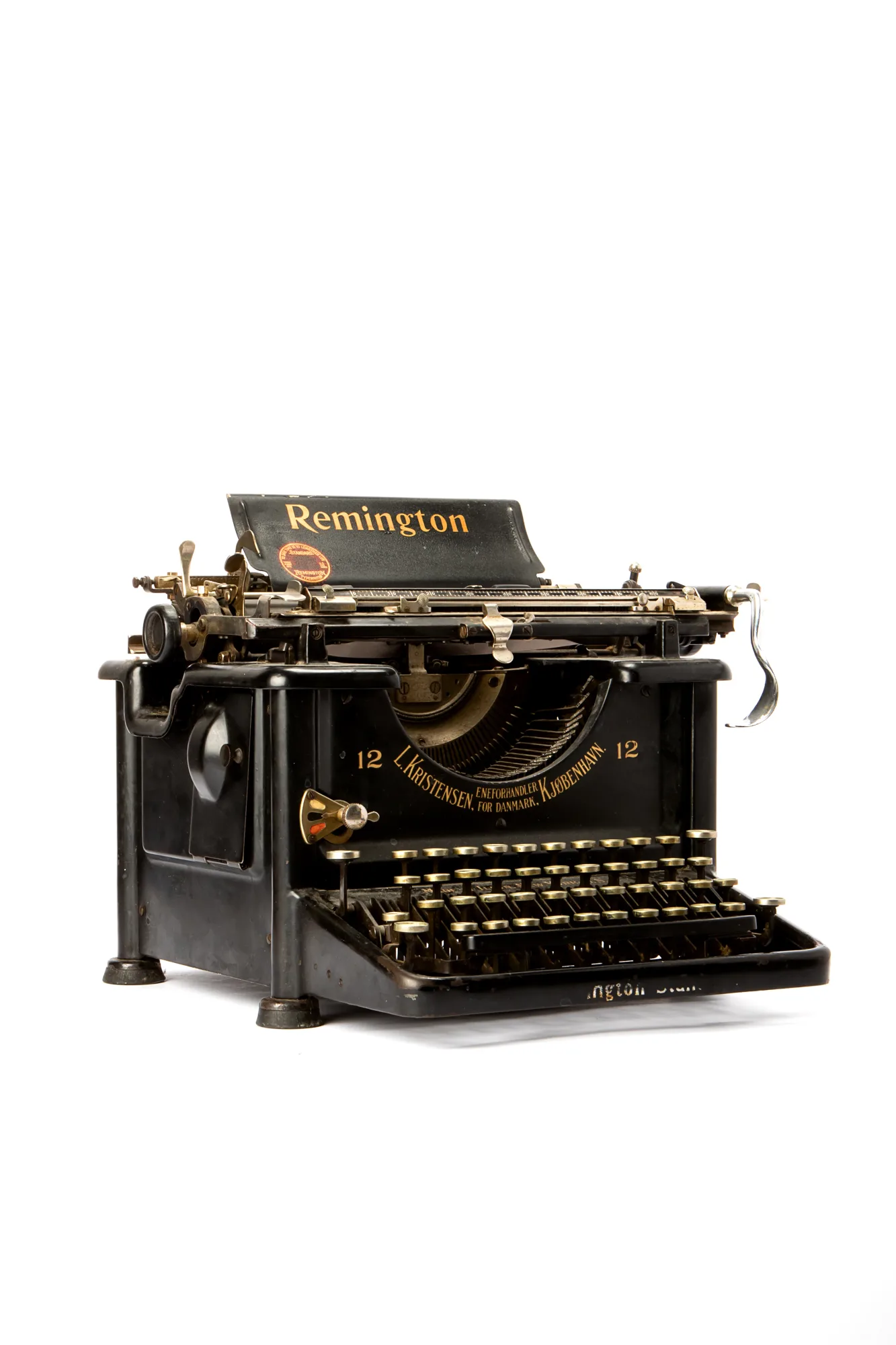
July 1951: J. D. Salinger’s The Catcher in the Rye Reaches American Readers
On July 16, 1951, Little, Brown published J. D. Salinger’s first and only full-length novel. The book quickly drew both strong praise and sharp criticism, while its teenage narrator became a distinctive voice in American fiction.
-
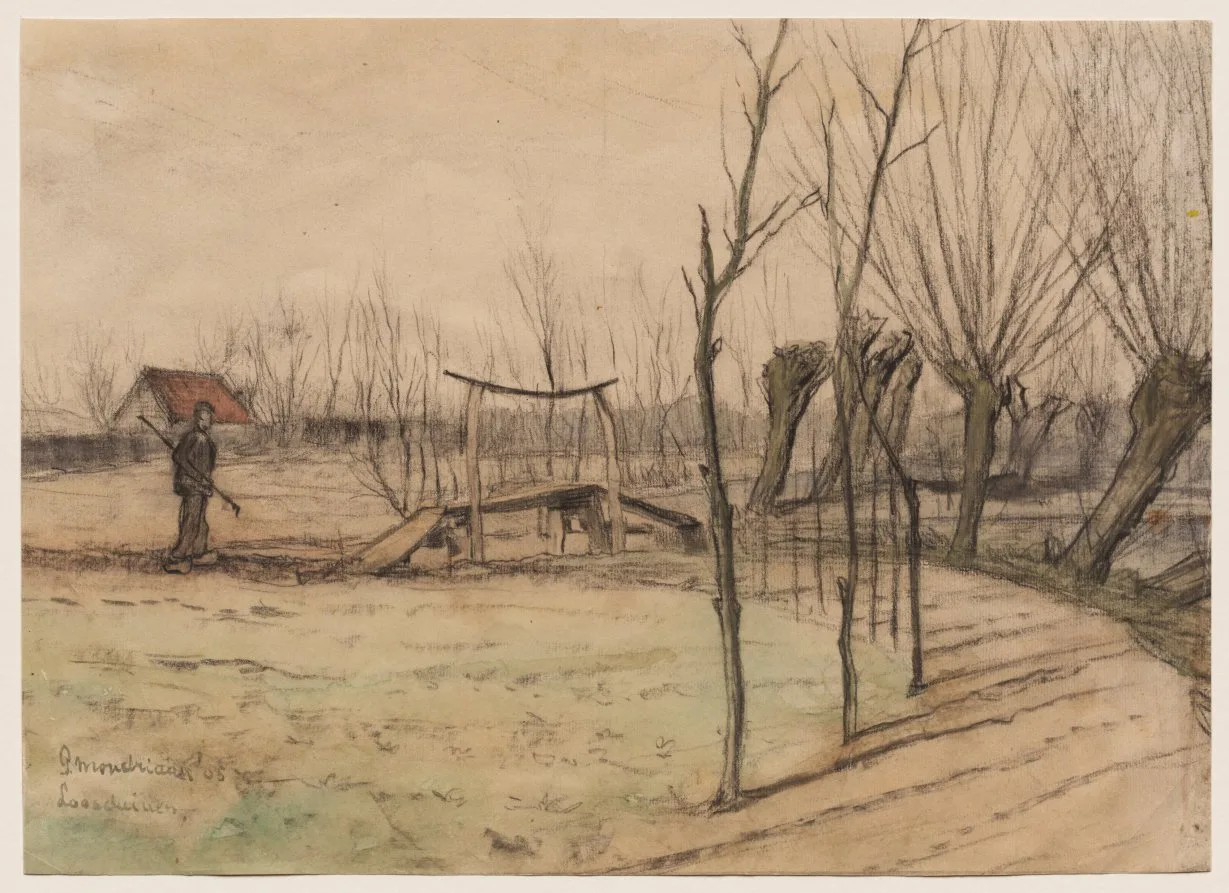
Charles Rennie Mackintosh and the Glasgow School of Art
Mackintosh won the competition for the Glasgow School of Art in 1897 as a junior draughtsman on a small budget. The building he produced is the one work everyone agrees about.
Read more in the Journal.
Or browse the full Artists Directory.