
July 1951: J. D. Salinger’s The Catcher in the Rye Reaches American Readers
On July 16, 1951, Little, Brown published J. D. Salinger’s first and only full-length novel. The book quickly drew both strong praise and sharp criticism, while its teenage narrator became a distinctive voice in American fiction.
A novel arrives in July 1951
J. D. Salinger’s The Catcher in the Rye was published in the United States on July 16, 1951, by Little, Brown and Company. The novel follows sixteen-year-old Holden Caulfield after he leaves a Pennsylvania preparatory school and spends several days in New York City. Its publication became an important literary event of the early postwar period.
Salinger had been developing the character of Holden for years before the novel appeared. Earlier versions of the character had already surfaced in his short fiction, while Salinger’s stories were becoming known through magazines including The New Yorker. The finished novel brought that developing voice into a longer and more concentrated form.
The book’s reception was not uniform. The New York Times praised it as an unusually brilliant first novel, while other contemporary reviewers objected to Holden’s language and the subjects discussed in the story. The contrast was visible from the beginning: the novel could attract literary admiration and serious objections at the same time.
Its commercial performance was nevertheless substantial. The novel became a bestseller and was selected by the Book-of-the-Month Club. Historical accounts record that it was reprinted repeatedly during its first months and remained on the New York Times bestseller list for many weeks.
- Publication date: July 16, 1951
- Publisher: Little, Brown and Company
- Central character: sixteen-year-old Holden Caulfield
- Main setting: New York City and a Pennsylvania preparatory school
- Early reception: strong praise alongside substantial criticism
Salinger and Holden
The connection between the author and his protagonist was discussed publicly soon after publication. In a 1953 interview with high-school newspaper reporter Shirlie Blaney, Salinger was asked whether the novel was autobiographical. His answer acknowledged similarities between his own youth and Holden’s without presenting the novel as a straightforward account of his life.
That interview was unusual because Salinger was already becoming reluctant to discuss his work publicly. After the success of The Catcher in the Rye, he gradually withdrew from public life and moved to Cornish, New Hampshire, in 1953. The contrast between the novel’s growing visibility and its author’s increasing privacy became part of the story surrounding the book.
My boyhood was very much the same as that of the boy in the book, and it was a great relief telling people about it.
J. D. Salinger, interview with Shirlie Blaney for the Claremont Daily Eagle, 1953
The novel’s significance was not limited to its first reviews or sales figures. Holden’s first-person narration gave American readers a sustained literary voice centered on adolescent uncertainty, dissatisfaction and the difficulty of entering the adult world. The book’s language and subject matter also helped make it a recurring point of discussion in schools and among parents and educators.

By the middle of the 1950s, The Catcher in the Rye had moved beyond the moment of its publication and become a recurring reference point in discussions of American youth and literature. Its early history already contained the elements that would define its place in the culture: a widely read novel, sharply divided critical responses, and an author increasingly unwilling to participate in the publicity surrounding his own work.
Want a curator’s take?
Ask a curator how this connects to the artists and work in the directory.
Ask a Curator-

Emily Dickinson: The Reclusive Poet Who Changed American Verse
Born in 1830 in Amherst, Massachusetts, Emily Dickinson wrote nearly 1,800 poems during her lifetime, though only a handful were published before her death in 1886. Her innovative use of form and syntax reshaped American poetry.
-
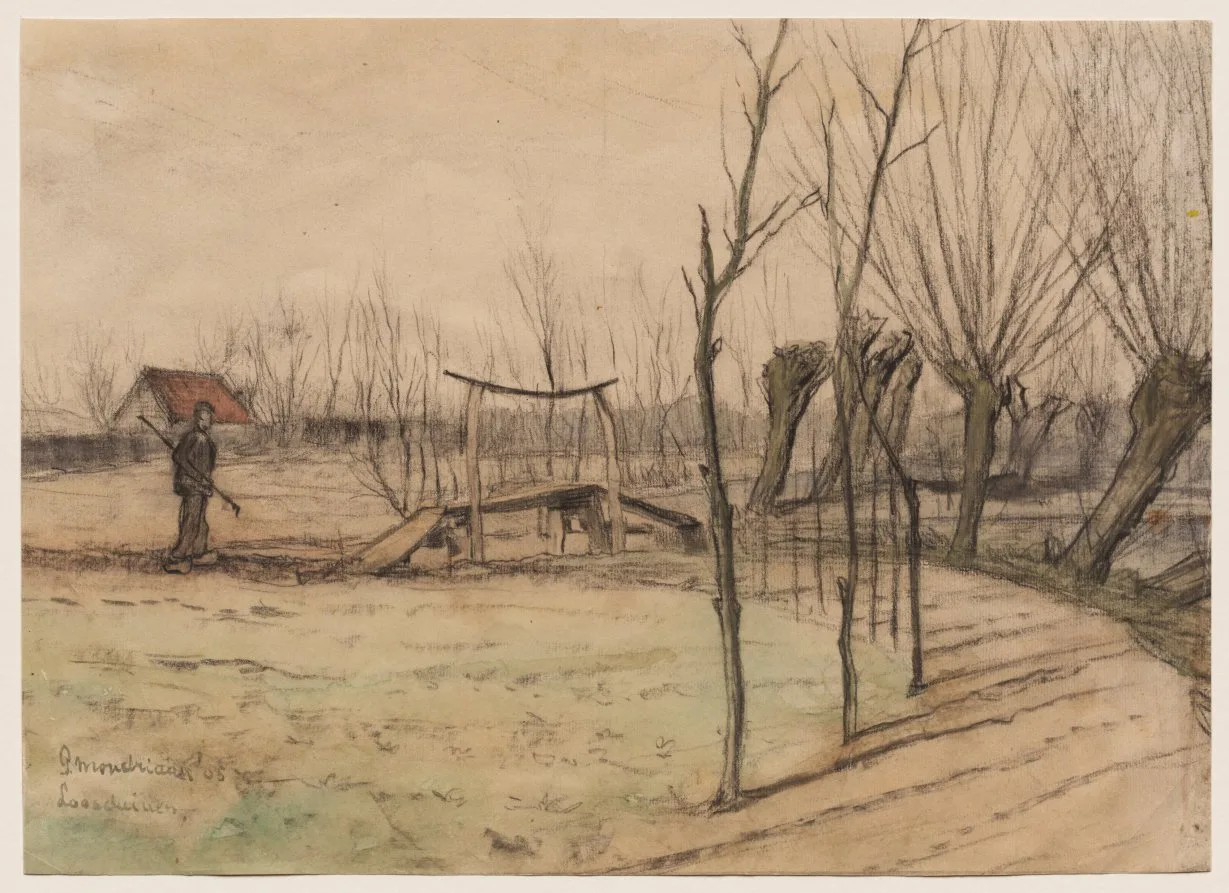
Charles Rennie Mackintosh and the Glasgow School of Art
Mackintosh won the competition for the Glasgow School of Art in 1897 as a junior draughtsman on a small budget. The building he produced is the one work everyone agrees about.
-
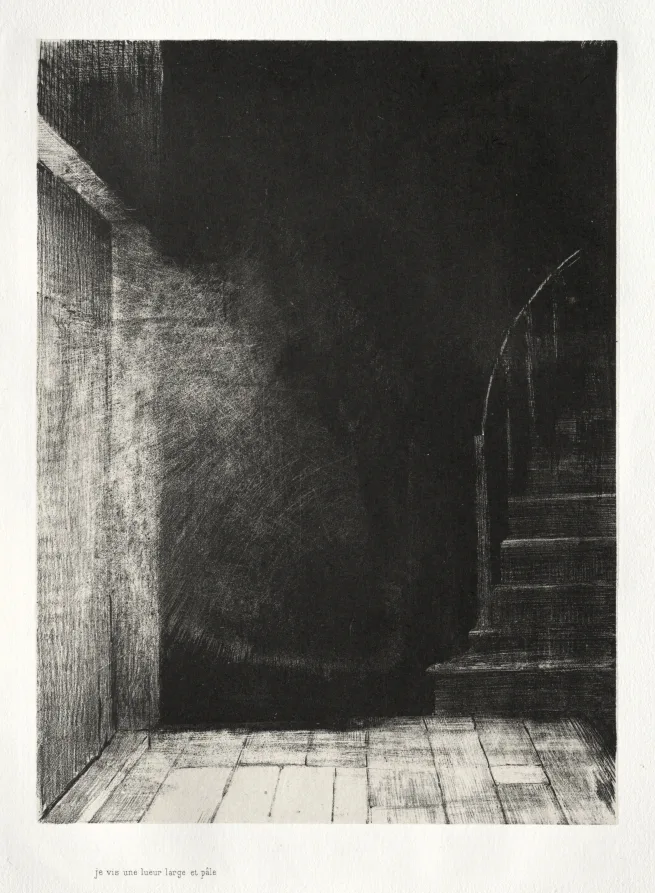
Berthe Morisot and the retrospective of 1896
Morisot died in March 1895. A year later Monet, Degas, Renoir and Mallarme organized a memorial exhibition of about three hundred works, and it is the reason her career was not simply forgotten.
Read more in the Journal.
Or browse the full Artists Directory.