
Artists before the market finds them
We write about emerging and undervalued painters, sculptors and mixed-media artists. Their work is already serious and the prices have not caught up. Every profile follows one career: the training, the studio, the series that changed something, and where the work stands now.
Recent Profiles
View full directory →-
Modernist portraiture
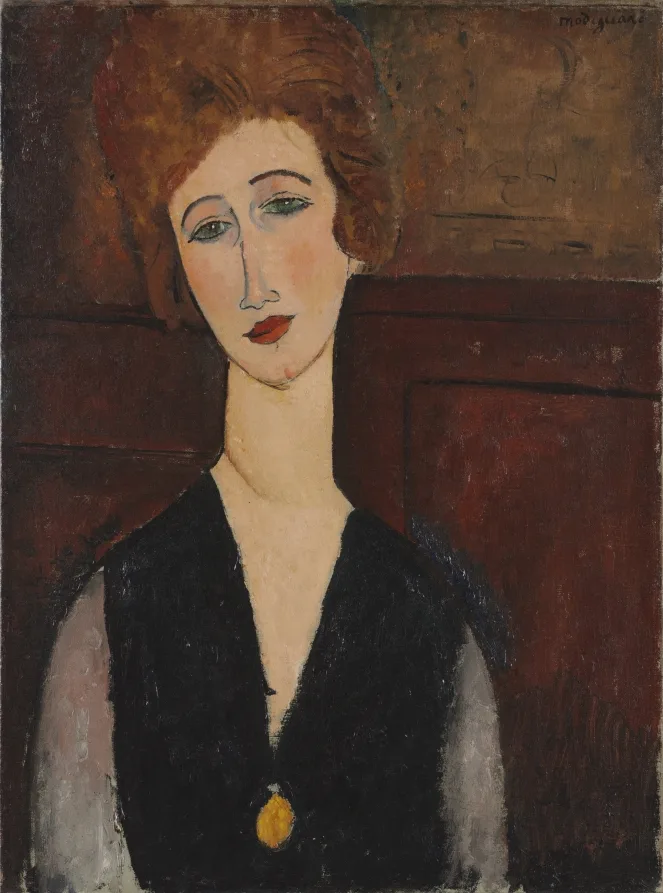
Amedeo Modigliani
Modigliani spent fourteen years in Paris painting portraits and nudes and almost nothing else. The Cleveland canvas, dated by the museum to around 1917 and 1918, comes from the height of that short mature period.
View profile -
Aristocratic portraiture
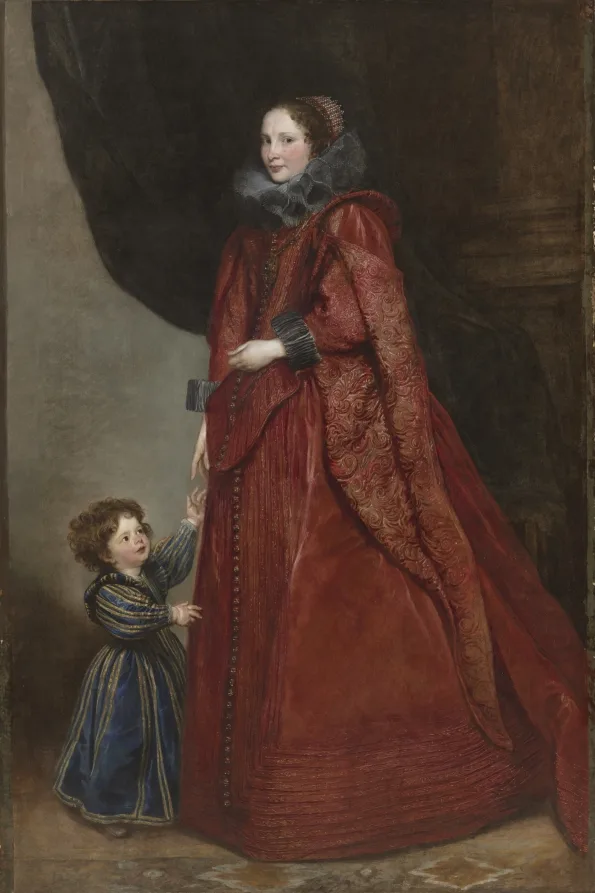
Anthony van Dyck
Anthony van Dyck left Antwerp for Genoa in his early twenties and came back with a portrait formula that European courts used for the next two hundred years. The Cleveland canvas belongs to those Italian years.
View profile -
Court portraiture
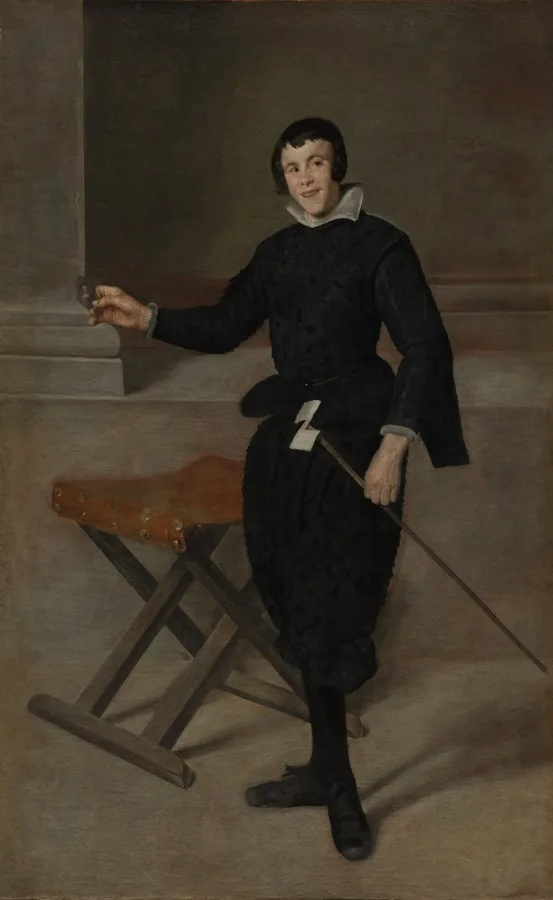
Diego Velazquez
Diego Velazquez served Philip the Fourth for most of his working life and painted the court staff with the same attention as the king. The Cleveland portrait of the jester Calabazas comes from his early Madrid years.
View profile -
Baroque portraiture
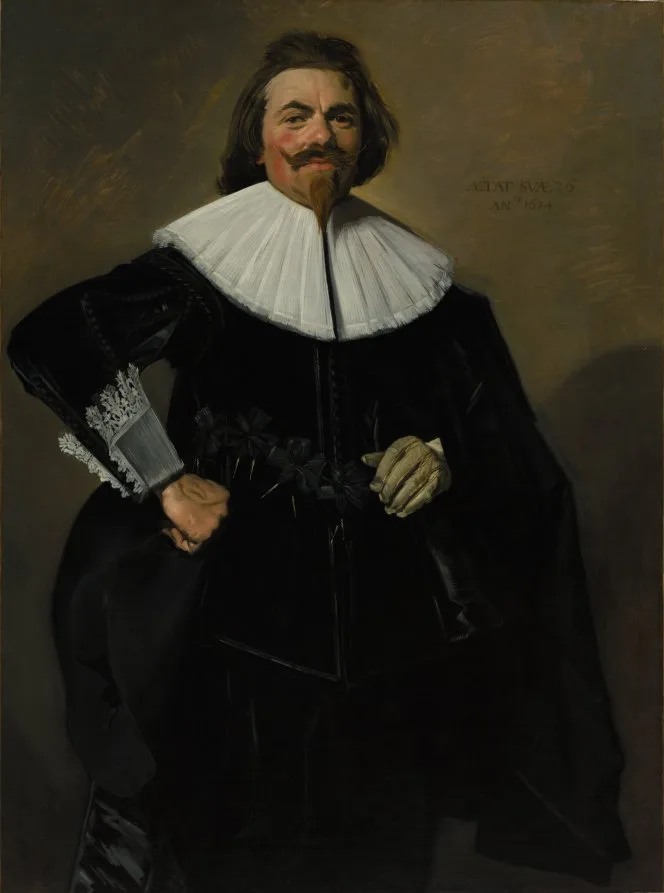
Frans Hals
Frans Hals spent his whole career in Haarlem and turned the visible brushstroke into a selling point. The Cleveland portrait of the merchant Tieleman Roosterman, dated 1634, catches that practice at full strength.
View profile
From the Journal
View all articles →-

Emily Dickinson: The Reclusive Poet Who Changed American Verse
Born in 1830 in Amherst, Massachusetts, Emily Dickinson wrote nearly 1,800 poems during her lifetime, though only a handful were published before her death in 1886. Her innovative use of form and syntax reshaped American poetry.
-
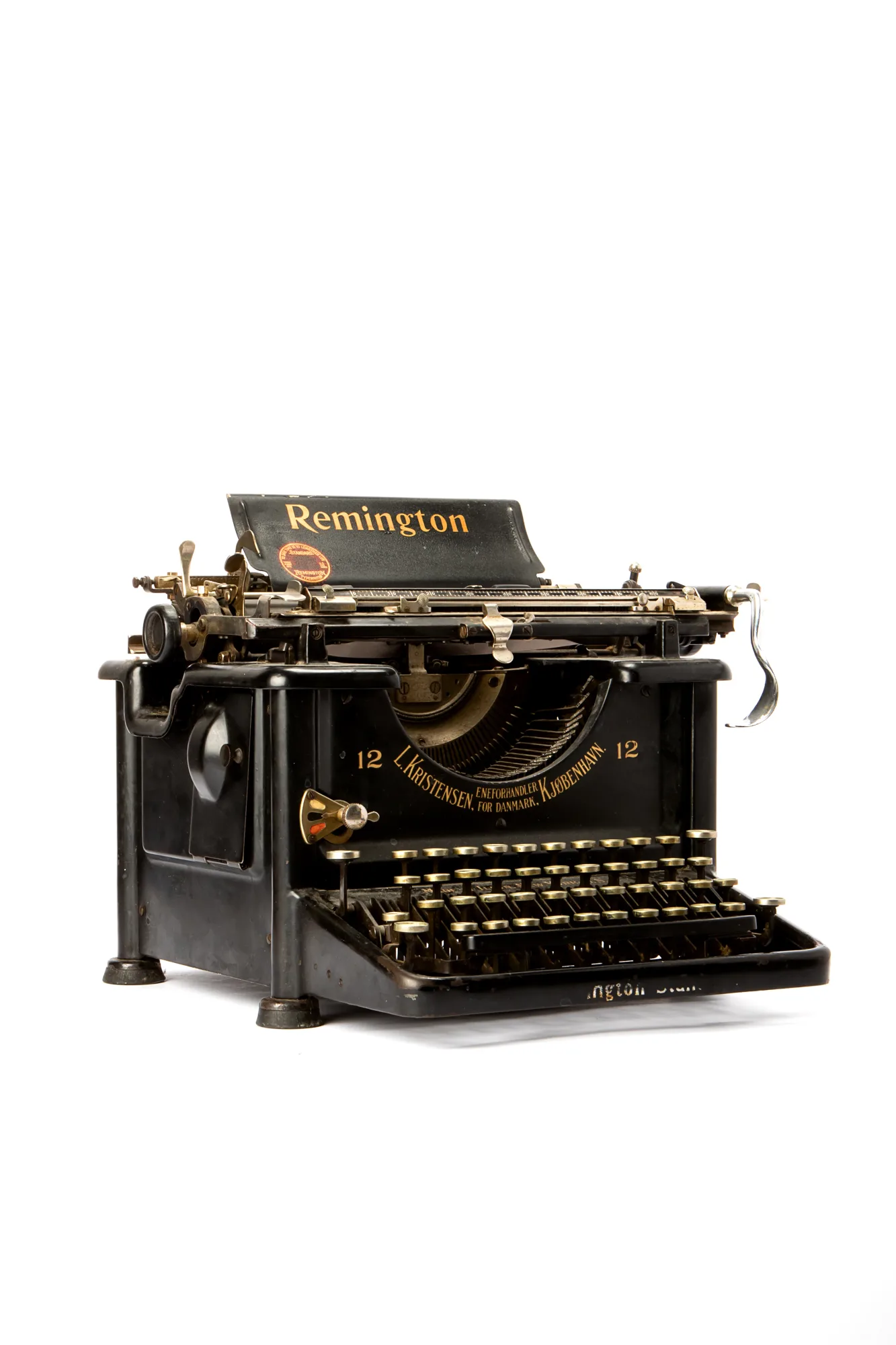
July 1951: J. D. Salinger’s The Catcher in the Rye Reaches American Readers
On July 16, 1951, Little, Brown published J. D. Salinger’s first and only full-length novel. The book quickly drew both strong praise and sharp criticism, while its teenage narrator became a distinctive voice in American fiction.
-
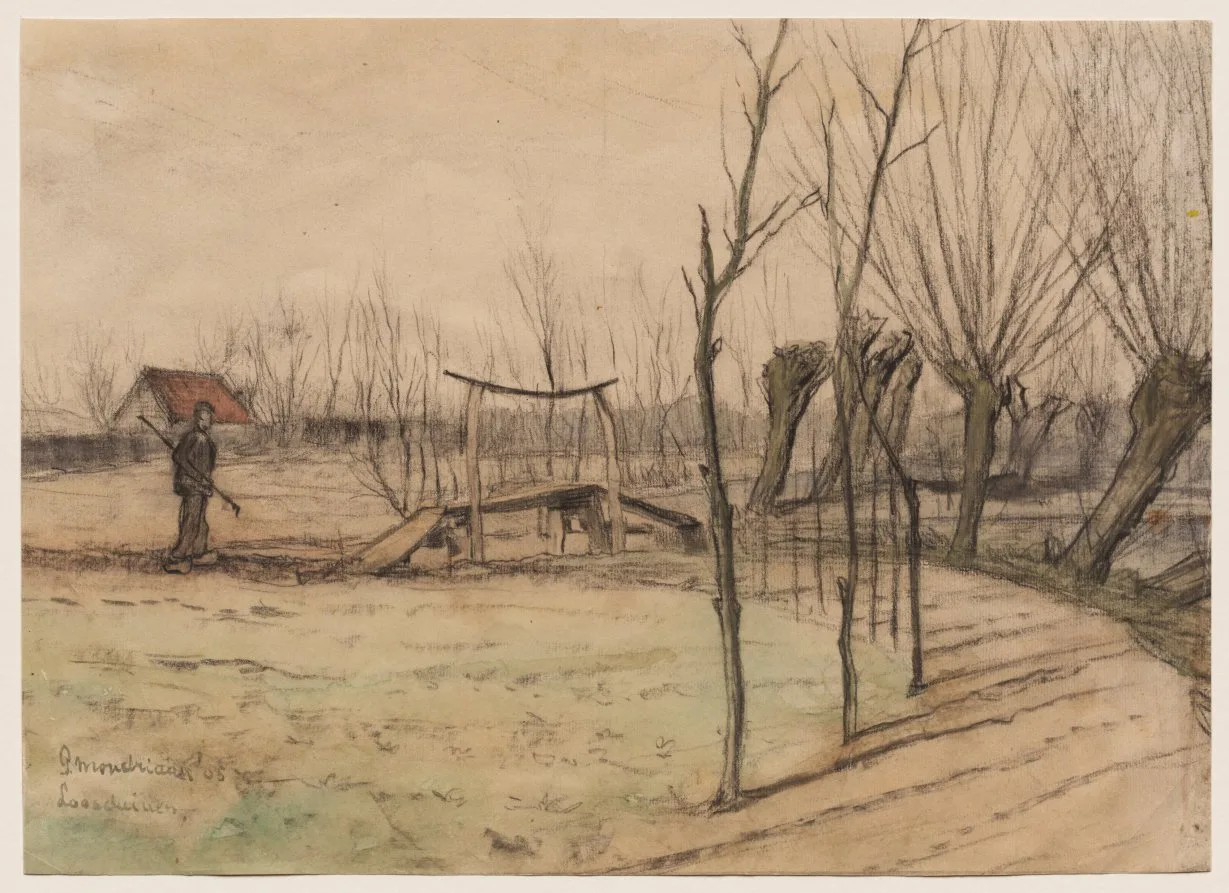
Charles Rennie Mackintosh and the Glasgow School of Art
Mackintosh won the competition for the Glasgow School of Art in 1897 as a junior draughtsman on a small budget. The building he produced is the one work everyone agrees about.
FAQ
What makes an artist emerging rather than established?
Age has nothing to do with it. An emerging artist already has a body of work and a serious studio practice, but the recognition has not caught up. Most of the people we profile have shown regionally, sold quietly, and still set their own prices. That gap is the reason we write about them.
What goes into a profile?
A conversation, usually in the studio. We look at what the artist is making now against what they were making five years ago, ask about training, materials and the decisions behind a series, then check where the work has actually been shown. When the record is thin, the profile says so instead of padding it.
Can I buy work by the artists you cover?
Usually. Some sell through RakovGallery, one of our partner galleries; others work with dealers abroad, and a few sell straight out of the studio. Every profile ends with where the work sits right now and who to write to.
Wondering about one of these artists?
Send a question about a name in the directory: the studio, the career, what a piece costs at the moment. An editor reads it and writes back.
Ask a Curator