
Mark Twain Turned American Speech into Literature
Mark Twain became one of the defining voices of nineteenth-century American literature by bringing regional speech, humor, and social observation into his fiction. His novels remain closely connected with the landscapes and conflicts of the United States.

From Samuel Clemens to Mark Twain
Samuel Langhorne Clemens was born in Florida, Missouri, on November 30, 1835. He grew up in Hannibal, a Mississippi River town whose people, commerce, and local customs later supplied material for his fiction. Before becoming a full-time writer, Clemens worked as a printer, journalist, riverboat pilot, and newspaper reporter.
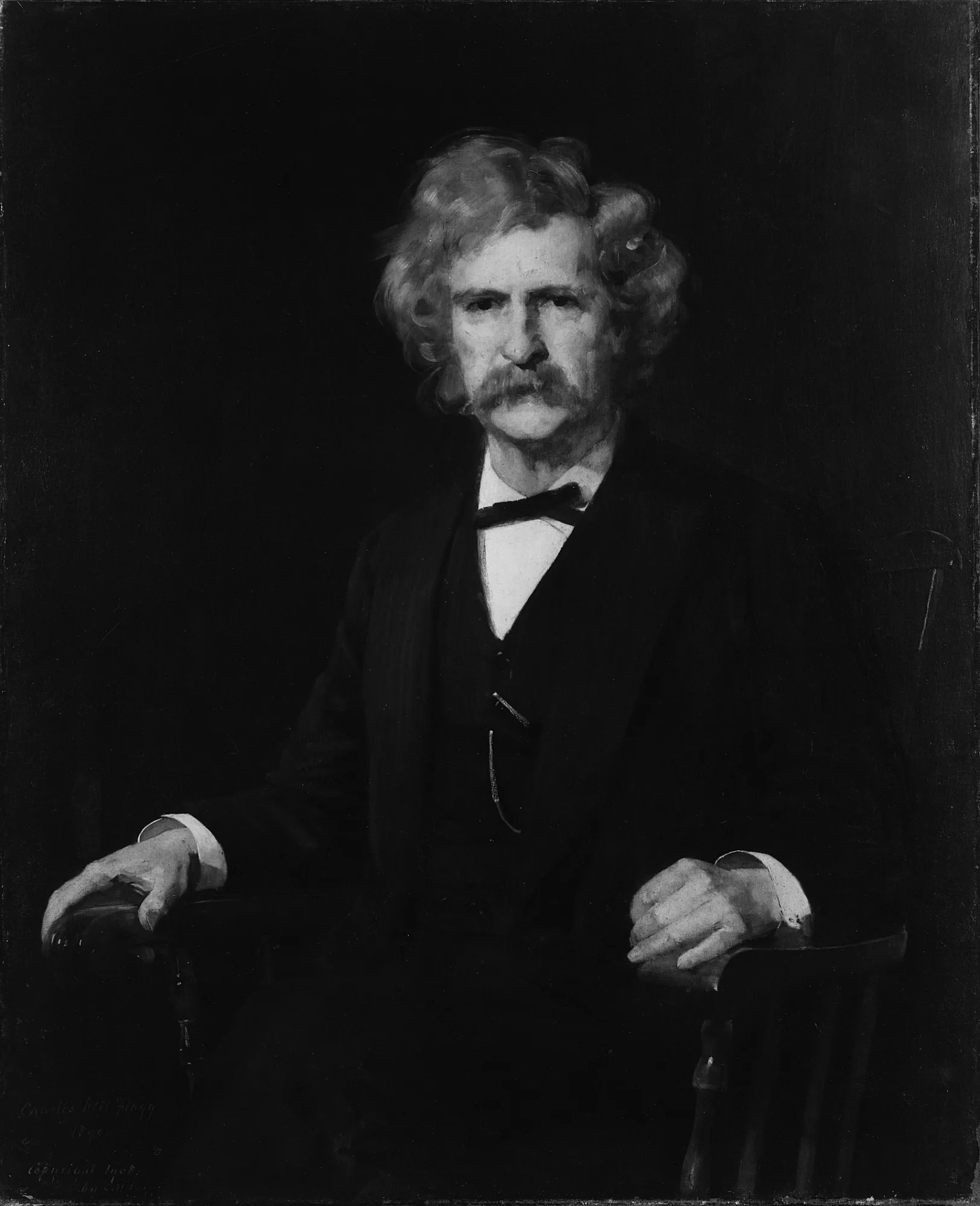
The pen name Mark Twain came from the language of river navigation. Clemens adopted it during his newspaper career in the West, and it soon became the name associated with his public writing. His experience on the Mississippi gave him a practical understanding of movement, danger, commerce, and the many varieties of American speech.
Humor with a serious purpose
Twain’s humor often works through contrast. A confident narrator may misunderstand what the reader can see clearly, while a child’s plain observation exposes the habits of adults. This method allowed Twain to entertain broad audiences while also examining slavery, class, education, religion, and the uneasy relationship between individual freedom and social authority.
- The Adventures of Tom Sawyer was published in 1876.
- Adventures of Huckleberry Finn appeared in 1885.
- Life on the Mississippi combined memoir, travel writing, and river history.
- Twain’s fiction made regional American speech central to its narrative style.
Whenever you find yourself on the side of the majority, it is time to pause and reflect.
Mark Twain, attributed quotation
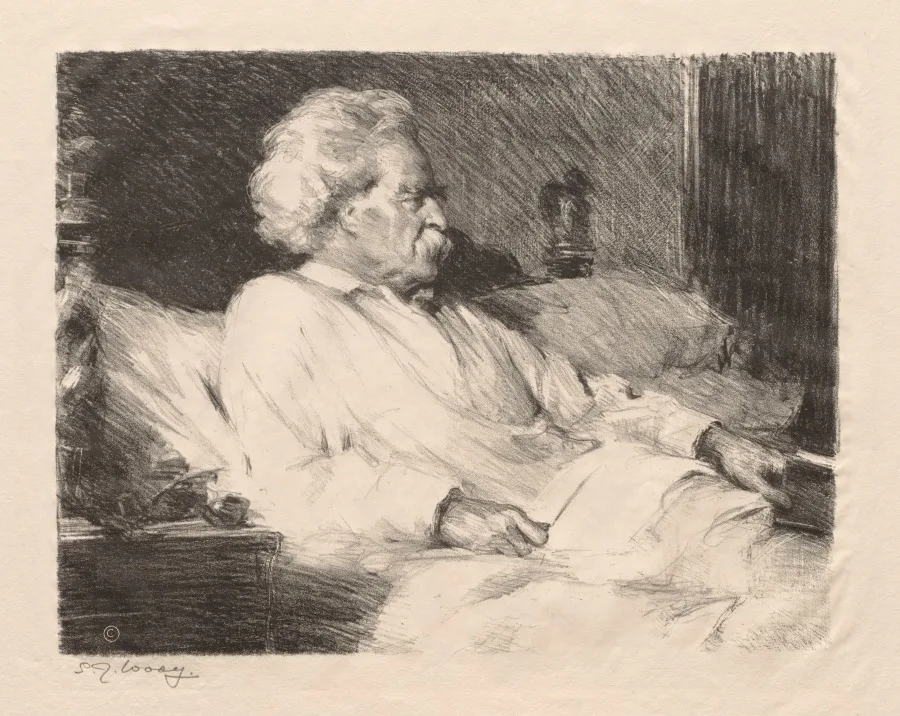
Twain settled in Hartford, Connecticut, in 1871, where he wrote during one of the most productive periods of his career. The city provided a stable base for his family and connected him with publishers, lecturers, and literary audiences across the country. He also traveled widely, turning observations from Europe, the Middle East, and the United States into books and public talks.
Mark Twain died in Redding, Connecticut, on April 21, 1910. His importance in American letters rests not only on individual novels but also on his treatment of national language. By allowing characters to speak in distinct social and regional voices, he helped make American experience itself a subject of literary form.
The illustrated editions
Twain's books were sold by subscription, door to door, and subscription buyers expected pictures. The Adventures of Tom Sawyer came out in 1876 from the American Publishing Company in Hartford with more than 160 drawings by True Williams, a staff illustrator who had already worked on Roughing It. His Tom is a small, scrappy figure, and his fence is the fence readers still picture.
For Adventures of Huckleberry Finn, published in America in 1885 by Twain's own firm, Charles L. Webster and Company, the author hired E. W. Kemble, a young newspaper cartoonist. Kemble produced 174 drawings, working from a single boy model in New York. Twain complained about the early sketches, then came round, and Kemble's Huck in a straw hat became the standard image of the character.
A Connecticut Yankee in King Arthur's Court followed in 1889 with drawings by Dan Beard, later one of the founders of the Boy Scouts of America. Beard turned the book's satire into open political cartooning, and Twain, unusually for him, said the pictures were better than the text. Beard's drawings are the ones to look at if you want to see what Twain thought the book was about.
Where to start
First editions of Tom Sawyer and Huckleberry Finn are expensive, and the Huck Finn first has a famous defective plate that collectors chase. The illustrations, though, are all out of copyright. Project Gutenberg hosts scans of the 1876 and 1885 editions with the pictures in place, and the Mark Twain Papers at the University of California, Berkeley, has put the manuscripts and much of the correspondence online. Read the Williams Tom Sawyer and the Kemble Huck side by side and the ten years between them show on every page.
Want a curator’s take?
Ask a curator how this connects to the artists and work in the directory.
Ask a Curator-

Emily Dickinson: The Reclusive Poet Who Changed American Verse
Born in 1830 in Amherst, Massachusetts, Emily Dickinson wrote nearly 1,800 poems during her lifetime, though only a handful were published before her death in 1886. Her innovative use of form and syntax reshaped American poetry.
-
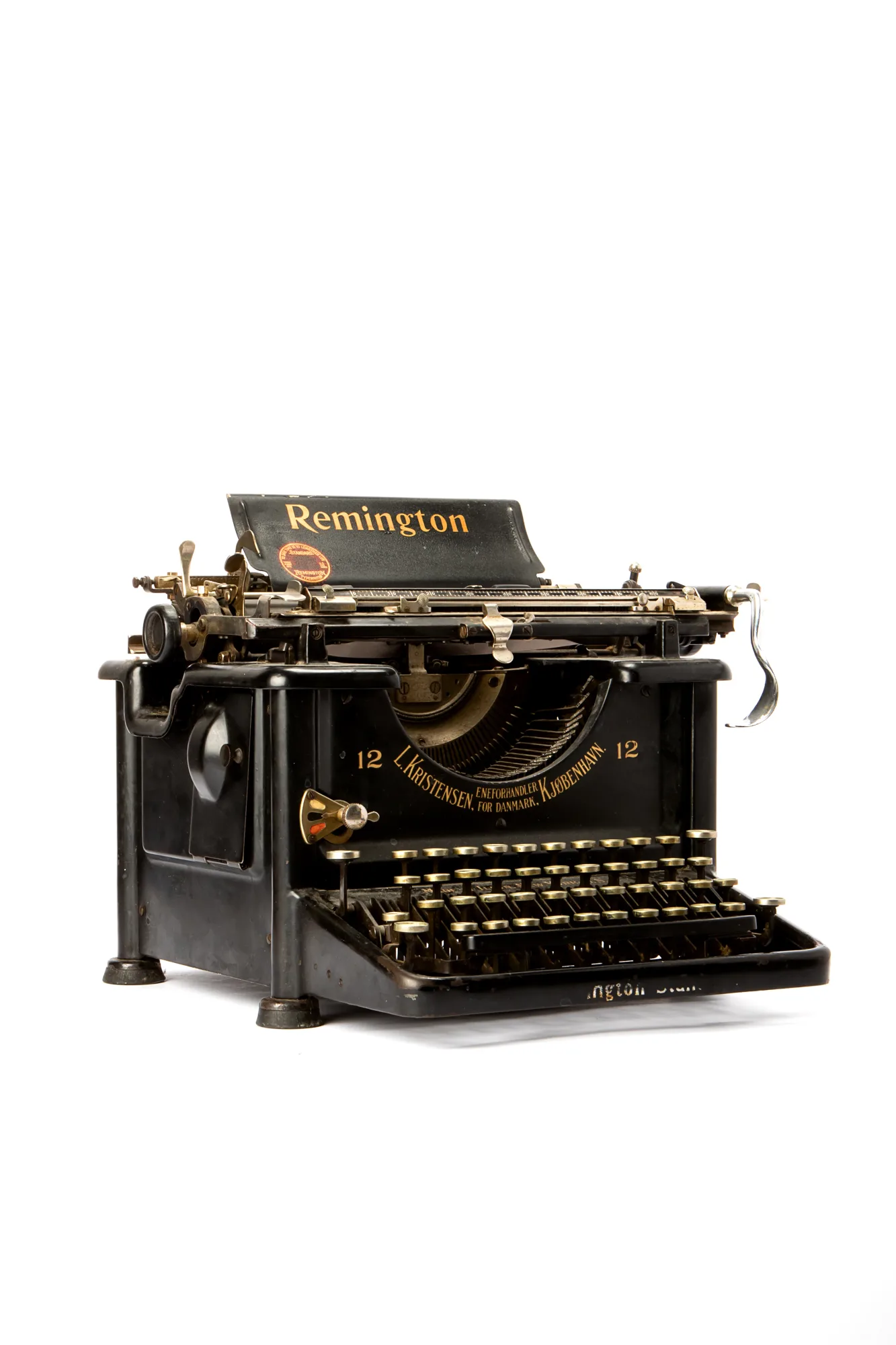
July 1951: J. D. Salinger’s The Catcher in the Rye Reaches American Readers
On July 16, 1951, Little, Brown published J. D. Salinger’s first and only full-length novel. The book quickly drew both strong praise and sharp criticism, while its teenage narrator became a distinctive voice in American fiction.
-
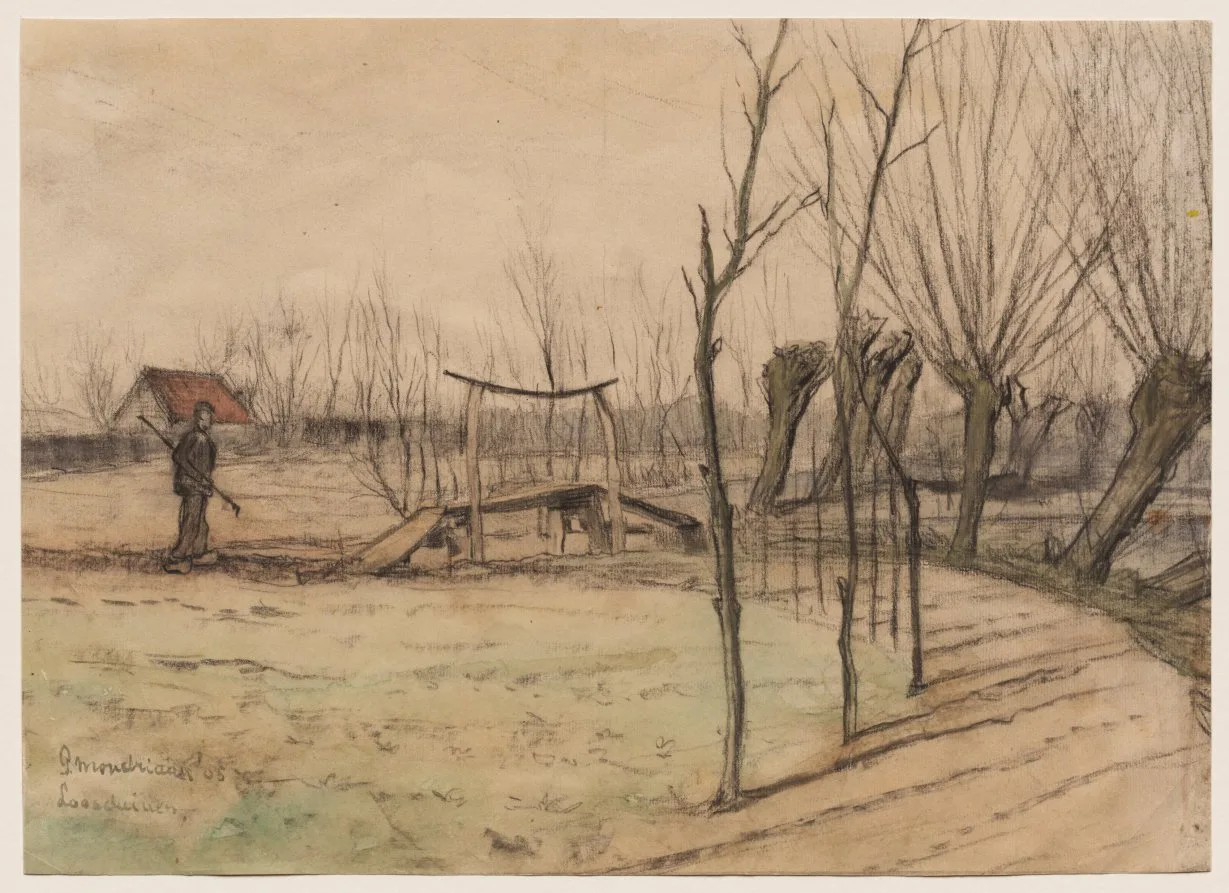
Charles Rennie Mackintosh and the Glasgow School of Art
Mackintosh won the competition for the Glasgow School of Art in 1897 as a junior draughtsman on a small budget. The building he produced is the one work everyone agrees about.
Read more in the Journal.
Or browse the full Artists Directory.