
Undervalued artists: why good work stays cheap for a while
Price follows demand, and demand follows access, fashion and paperwork. These are the ordinary reasons capable painters stay inexpensive, and the signs that a discount is closing.
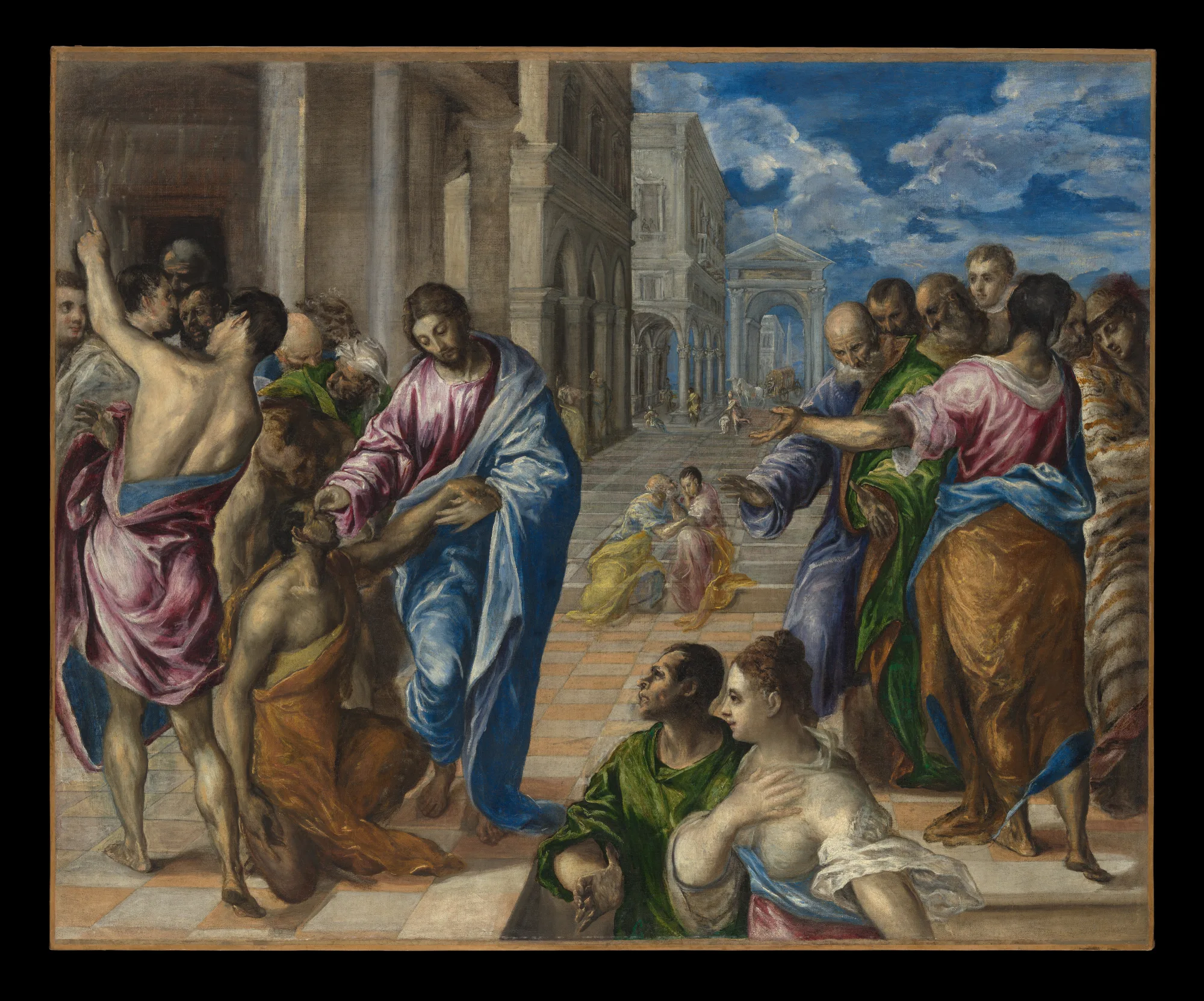
Price and quality come apart more often than the art trade likes to admit. A picture costs what the last comparable picture sold for, and if no comparable picture has ever sold in public then the price is a guess made by whoever is holding it. Undervalued usually means unpriced rather than overlooked by connoisseurs. The gap is created by market plumbing, and plumbing can be inspected.
That matters because the discount is not permanent and not random. Each cause has a shape and a rough duration, and knowing which one you are looking at tells you whether you have bought a bargain or a picture that will stay cheap for the rest of your life. Some causes close within a decade. Others have held for a century and show no sign of moving.
Distance from the buyers
The largest single discount is geographic. An artist working two flights from the cities where collectors live sells to a local market with local incomes, and the price reflects that market rather than the work. Shipping, insurance and customs then add friction to every sale, so the discount compounds. This one closes when a gallery in a buying city takes the artist on, which is why representation moves prices more sharply than any improvement in the painting.
Language does similar damage on a smaller scale. Catalogues, reviews and interviews that exist only in one language stay invisible to buyers who read another, and search engines quietly enforce the same border. Whole schools of capable painting have sat outside the English speaking market for decades for no better reason than that nobody translated the paperwork. Translation is cheap and slow, so this discount closes gradually rather than suddenly.
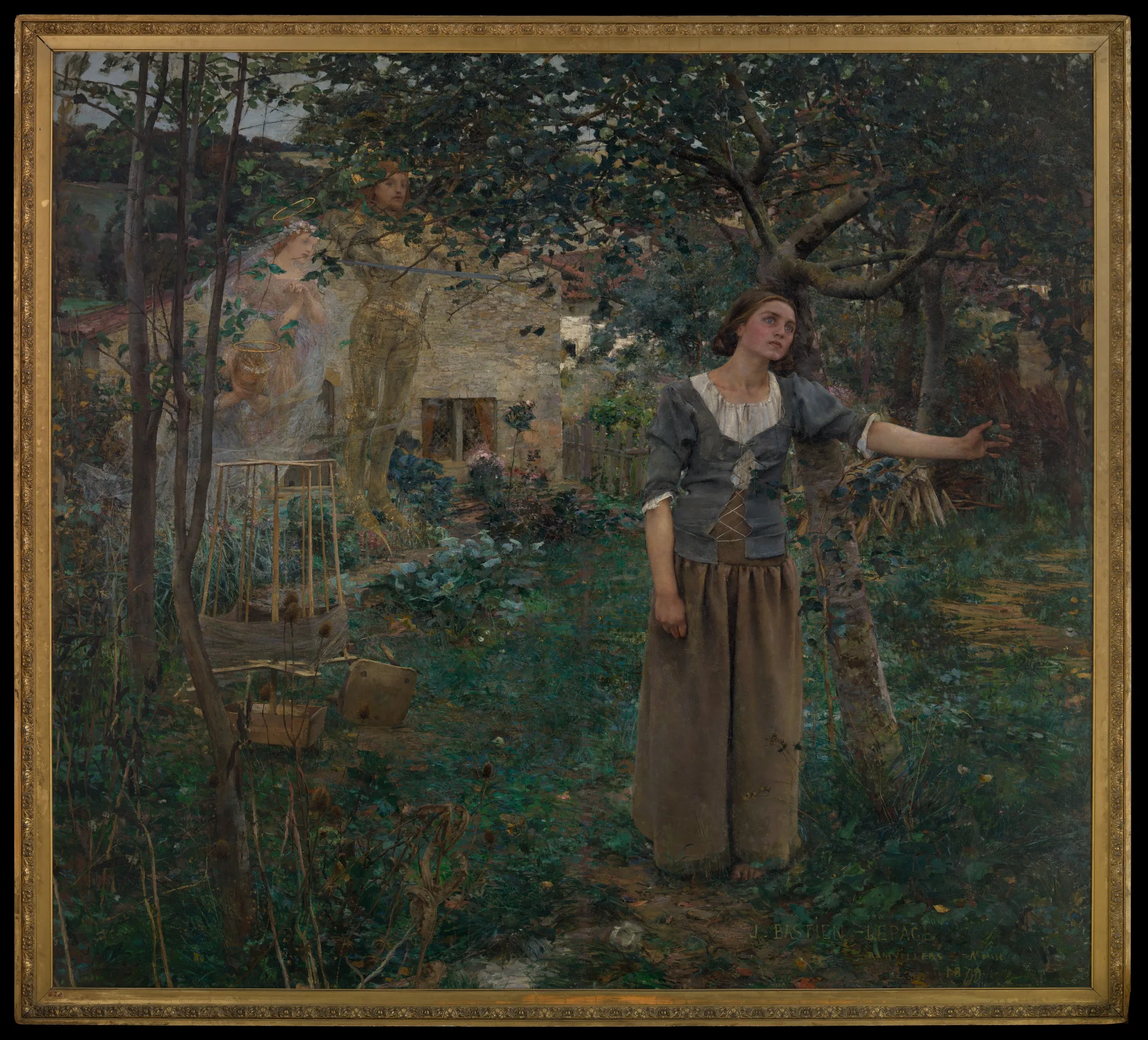
Fashion is the second engine. Genres fall out of favour in blocks, and while they are out, everything inside the block is cheap regardless of how well it was made. Nineteenth century academic painting spent most of the twentieth century in storage, and prices for it were a fraction of what the same craftsmanship fetched in other categories. When the fashion turns, it turns for the whole genre at once and the individual merits are sorted out afterwards.
- No auction history, so no public number exists for anyone to argue with
- A studio far from the cities where the buyers and the fairs are
- Work in a genre that is currently unfashionable rather than currently weak
- Small output, since a career of ninety pictures never builds a liquid market
- No gallery representation, which leaves pricing to the artist and their nerve
- Documentation in a language the buying market does not read
Two or three of those conditions together produce the sharpest discounts, and they are also the ones most likely to lift. A single condition rarely holds a price down for long. Six of them together describe an artist who may be excellent and will probably stay cheap, which is a fine reason to buy for pleasure and a poor one to buy as an investment. Be honest with yourself about which you are doing.
Signs the discount is closing
Watch for the first auction lot, because a public number changes everything that follows. Watch for a museum acquisition, for a monograph with a real publisher behind it, and for a dealer in a buying city taking the work to a fair. Any one of those tends to be followed by the others within a few years. By the time all four have happened the discount has gone, and what remains is an ordinary market price.
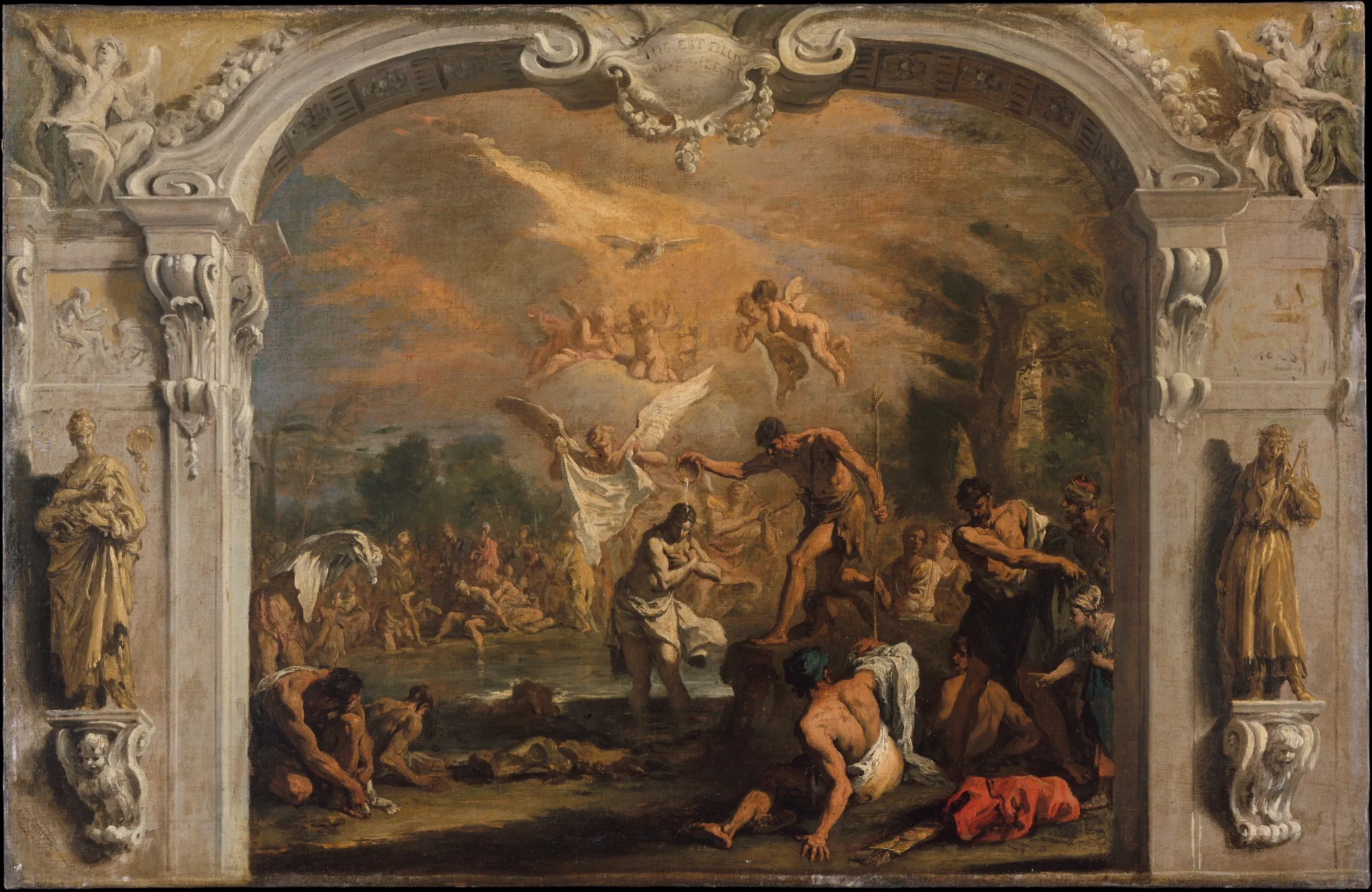
An undervalued artist is usually an unmarketed one. The work was never the problem, and the paperwork almost always was.
Editorial note, LaArt
The practical approach is to shop where the plumbing is broken rather than where the taste is bad. Look for capable painters with no auction record, no English catalogue and no dealer in a buying city, then buy the best picture you can find rather than the cheapest. If the discount closes you did well. If it does not, you own a good painting at a sensible price, which was the point.
Want a curator’s take?
Ask a curator how this connects to the artists and work in the directory.
Ask a Curator-
Emily Dickinson: The Reclusive Poet Who Changed American Verse
Born in 1830 in Amherst, Massachusetts, Emily Dickinson wrote nearly 1,800 poems during her lifetime, though only a handful were published before her death in 1886. Her innovative use of form and syntax reshaped American poetry.
-
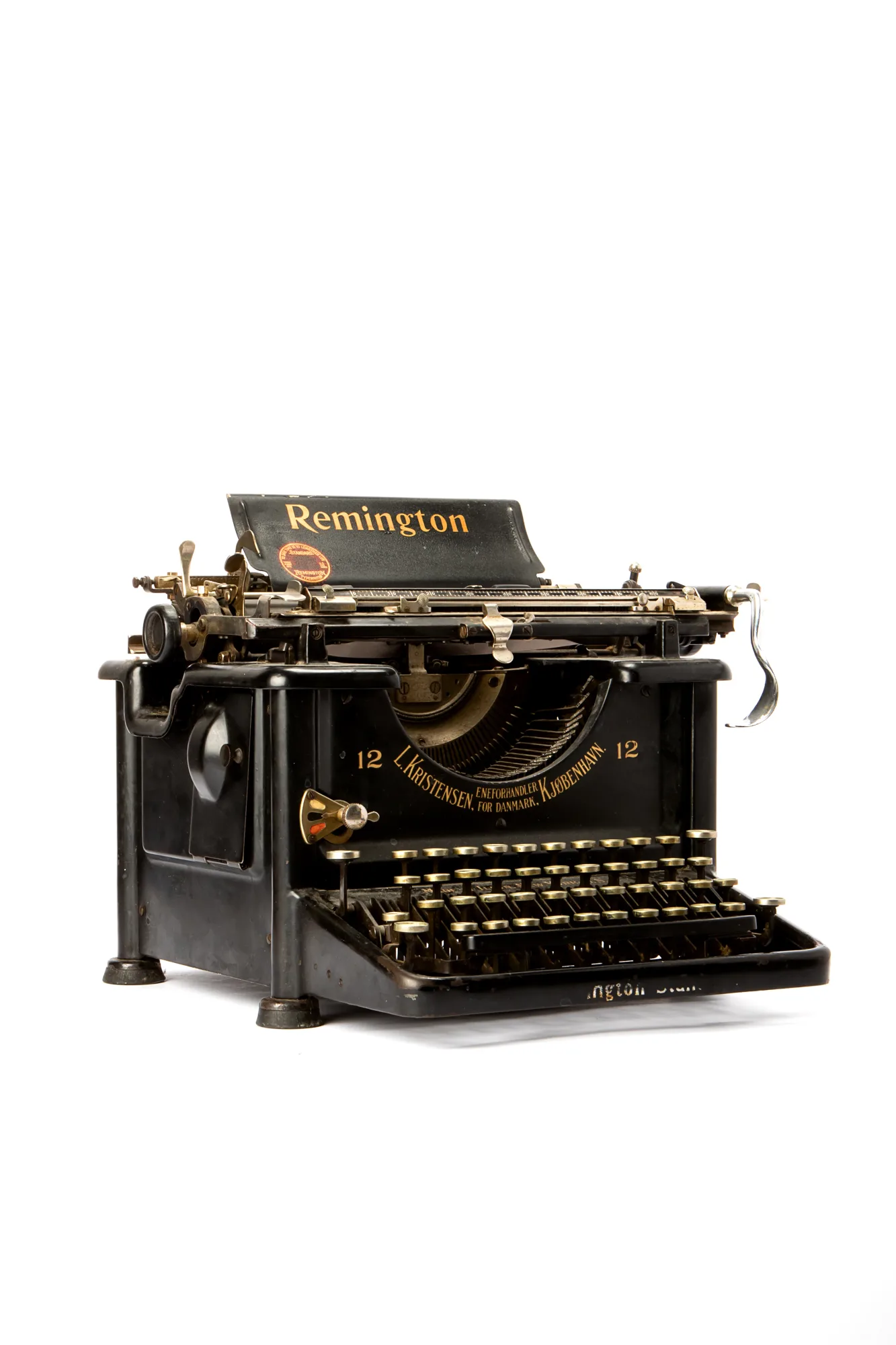
July 1951: J. D. Salinger’s The Catcher in the Rye Reaches American Readers
On July 16, 1951, Little, Brown published J. D. Salinger’s first and only full-length novel. The book quickly drew both strong praise and sharp criticism, while its teenage narrator became a distinctive voice in American fiction.
-
Charles Rennie Mackintosh and the Glasgow School of Art
Mackintosh won the competition for the Glasgow School of Art in 1897 as a junior draughtsman on a small budget. The building he produced is the one work everyone agrees about.
Read more in the Journal.
Or browse the full Artists Directory.