
Studio visits: what to look at and what to ask
A studio tells you how much work exists, how it is made and how the artist thinks about the next picture. Here is what to look at, what to ask and how to behave.
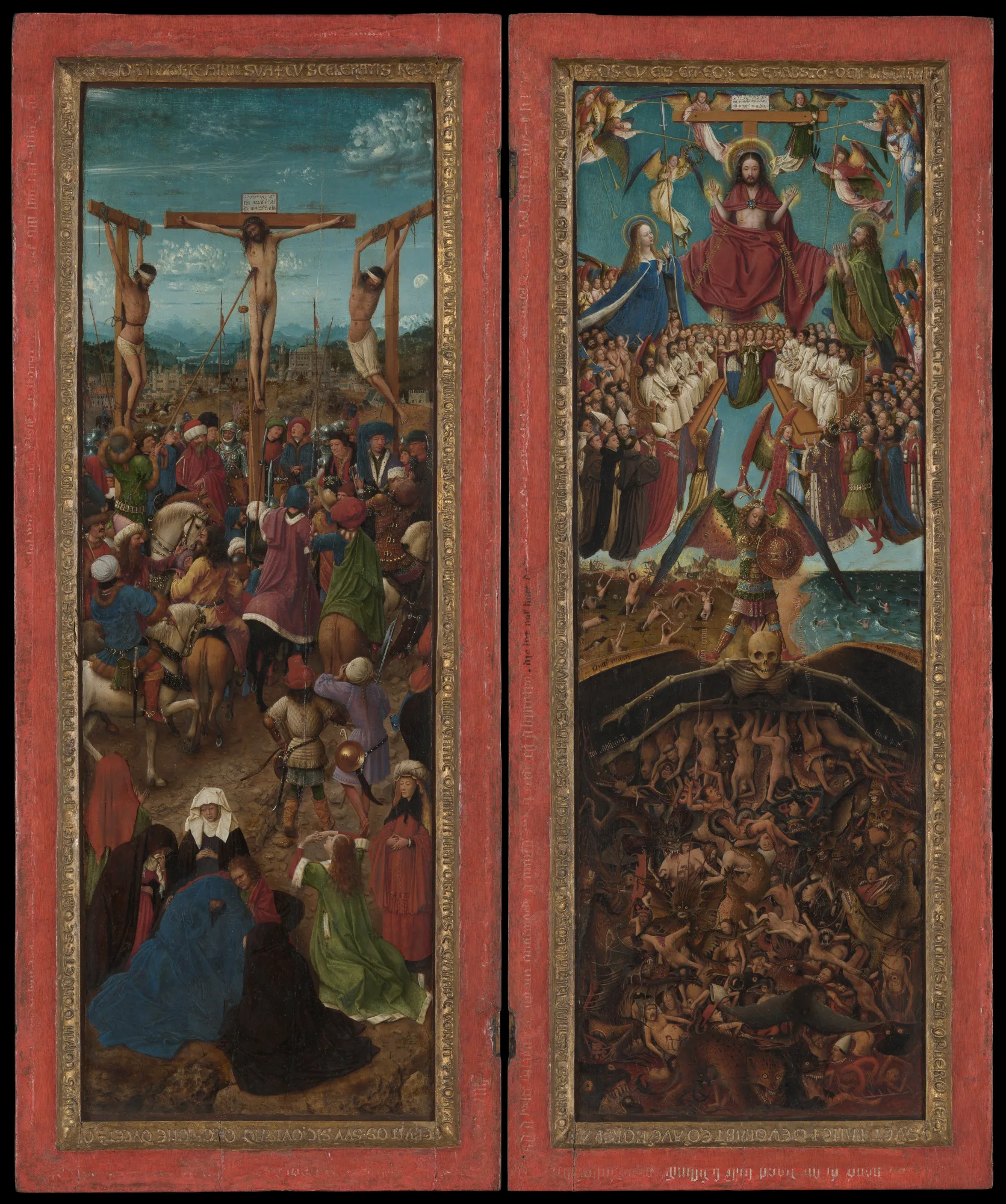
A gallery show is an edited argument. A studio is the material the argument was built from, which is why an hour in one teaches you more than a season of exhibitions. You see how much work exists, what got rejected, how the pictures are actually made and whether the artist can describe any of it. None of that is visible on a white wall with a price list by the door.
Visits happen more easily than people assume. Artists want buyers who understand the work, and most will say yes to a polite request with a specific reason attached. Go through the gallery if there is one, because going around a dealer to save the commission is remembered for years. If there is no gallery, write directly, propose a time, and keep the visit to an hour unless you are invited to stay.
What to look at
Start with the racks rather than the easel. The stored work tells you the real output and the real hit rate, and an artist who has forty finished pictures behind them is in a different position from one who has six. Look at how the pictures are stacked, whether they are separated, whether anything is warped or flaking. Storage habits predict the condition of the painting you are about to take home.
Then look at what is unfinished. A canvas at the halfway stage shows the underpainting, the drawing beneath and the order of decisions, which is the closest you will get to watching the artist work. Ask what it is going to become and listen to how specific the answer is. Vagueness at this point is normal in a young practice and a warning sign in an established one.
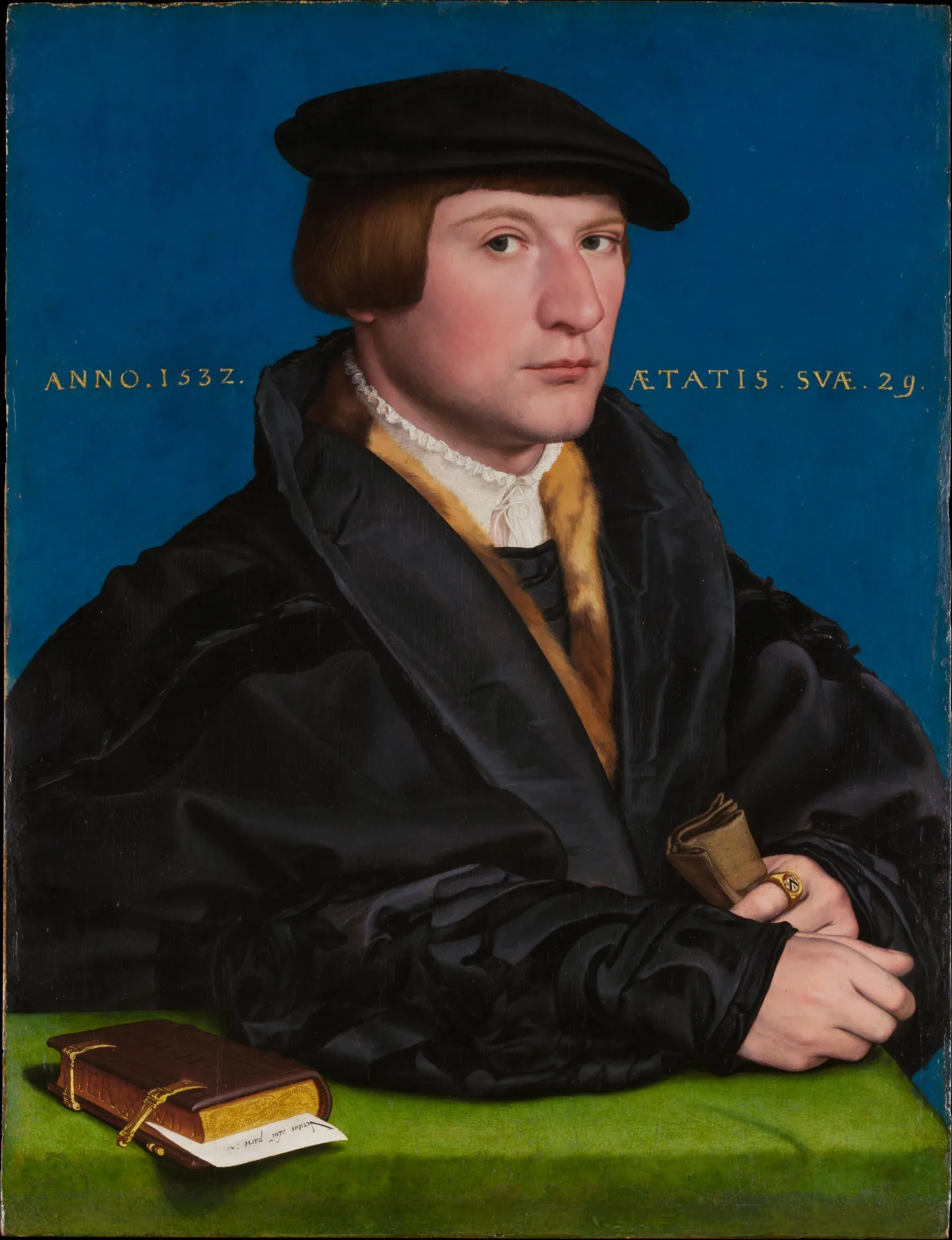
Materials deserve direct questions and rarely get them. Ask what the support is, whether the ground was applied by the artist or bought ready made, what the paint is and what goes on top. Cheap canvas, unsized grounds and thick varnish applied too early are the three problems that surface a decade later, and none of them are visible at the fair. An artist who answers these questions easily has thought about permanence.
- How many finished works are in the studio right now, and how many were made last year
- What the support and ground are, and who prepared them
- Whether unsold pictures come back from shows or get reworked and painted over
- What the price is here compared with the gallery price, and why they differ
- Which of the works in the room the artist would keep if only one could stay
- What the next body of work is about and when it is expected to be finished
The last two questions are the useful ones. What an artist keeps back tells you where their own judgement sits, which is often not where the market has landed. The answer about the next body of work tells you whether there is a plan or a habit. A plan is what turns a good year into a career, and you can usually hear the difference within a minute.
Etiquette that keeps you invited
Do not ask for a discount in the studio, and do not treat a visit as a negotiation. Prices belong with the gallery if one exists, and buying direct at a lower number damages the artist for years afterwards. Do not photograph unfinished work without asking, and do not touch a surface, ever. Say plainly whether you are buying today or looking, because an artist who knows which conversation this is will talk far more freely.
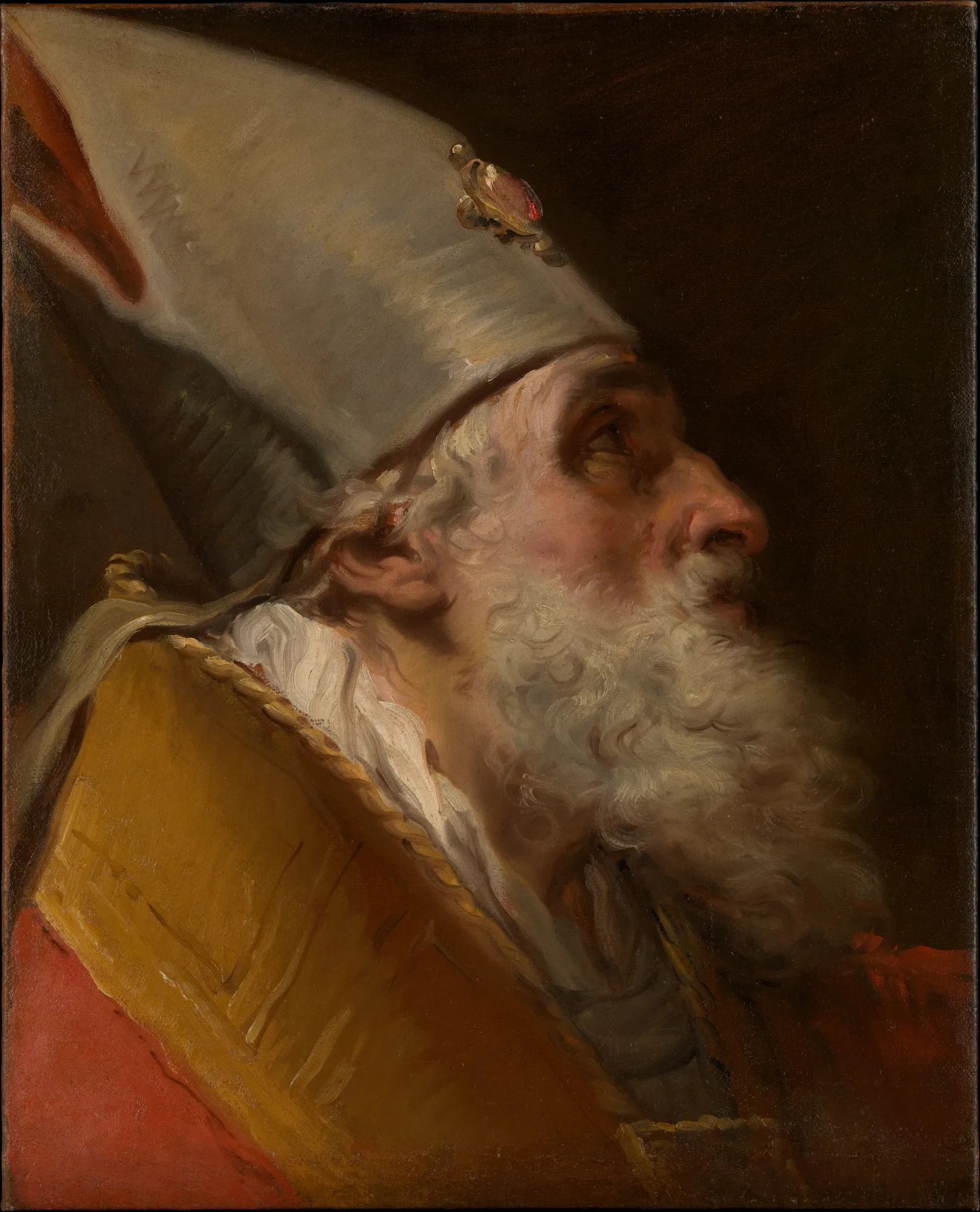
Ask what the artist would keep, then ask why. The answer is the shortest route into how somebody judges their own work.
Editorial note, LaArt
Write your notes the same evening while the room is still clear in your memory. Record what you saw, the count of finished pictures, the answers about materials and one line about how the artist talked. Six months later that page will be worth more than any catalogue, because it describes a practice rather than a product. Do this ten times and you will read studios faster than most people read price lists.
Want a curator’s take?
Ask a curator how this connects to the artists and work in the directory.
Ask a Curator-
Emily Dickinson: The Reclusive Poet Who Changed American Verse
Born in 1830 in Amherst, Massachusetts, Emily Dickinson wrote nearly 1,800 poems during her lifetime, though only a handful were published before her death in 1886. Her innovative use of form and syntax reshaped American poetry.
-
July 1951: J. D. Salinger’s The Catcher in the Rye Reaches American Readers
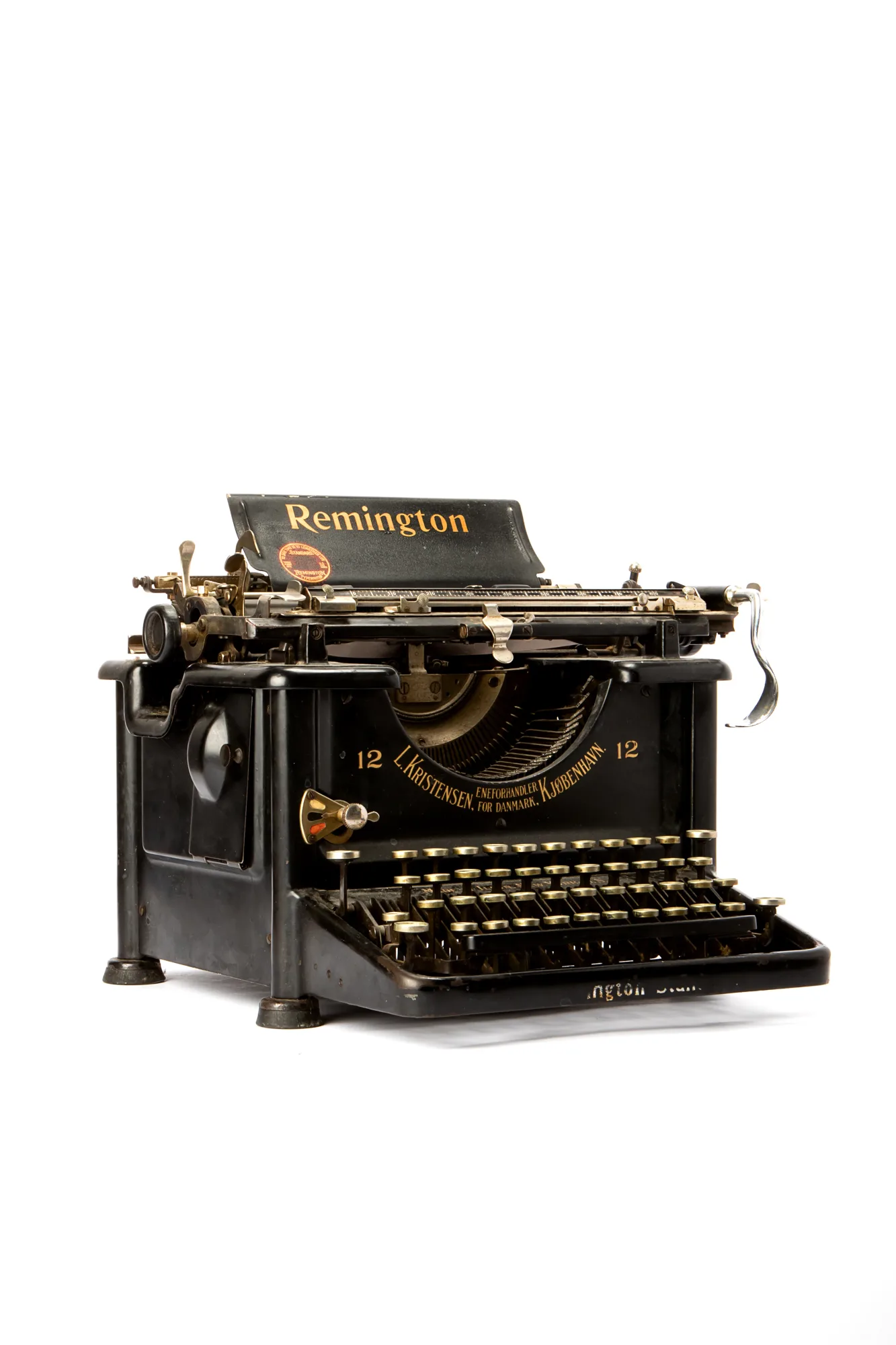
On July 16, 1951, Little, Brown published J. D. Salinger’s first and only full-length novel. The book quickly drew both strong praise and sharp criticism, while its teenage narrator became a distinctive voice in American fiction.
-
Charles Rennie Mackintosh and the Glasgow School of Art
Mackintosh won the competition for the Glasgow School of Art in 1897 as a junior draughtsman on a small budget. The building he produced is the one work everyone agrees about.
Read more in the Journal.
Or browse the full Artists Directory.