
How artists price their own work
Most prices in a studio come from one of three methods, and each leaves a different trace. Understanding how the number was built tells a buyer what it is worth arguing about.
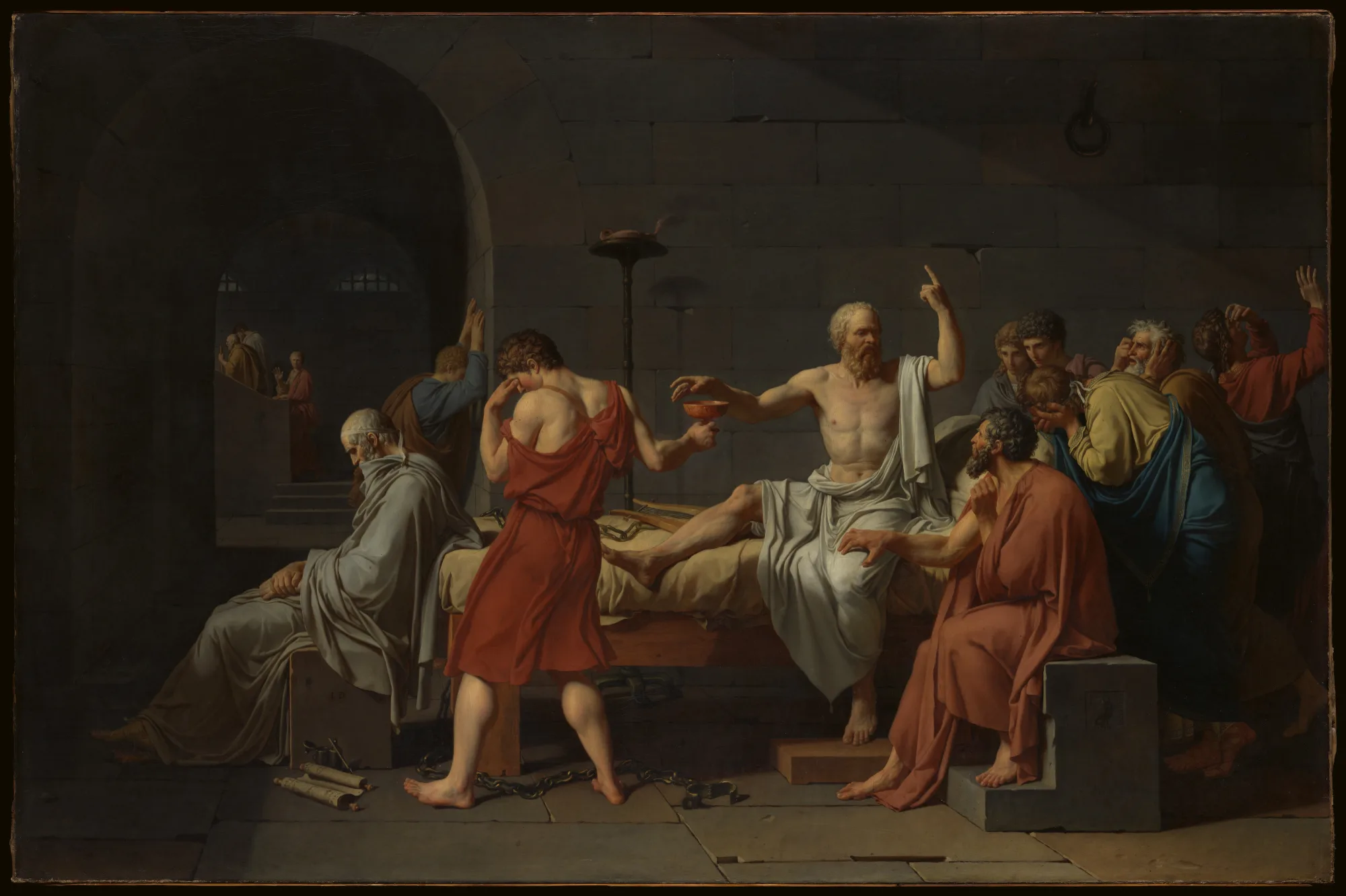
Nobody teaches pricing at art school, so artists work it out from advice, guesswork and whatever the person in the next studio charges. The result is more systematic than buyers expect. Almost every price in a studio comes from one of three methods, sometimes two of them blended, and each method leaves a trace you can read off the price list. Knowing which method produced a number tells you what is worth discussing and what is fixed.
The number also has to survive contact with a gallery. Representation normally takes half of the retail price, so an artist who sells direct at the gallery figure earns twice as much on that sale and destroys their own market in the process. Everything below assumes the price shown is the retail price, in the studio and at the fair alike. Any artist who quotes you two different numbers has already told you something about how they run things.
Size formulas and what they hide
The most common method multiplies dimensions by a rate. Height plus width times a figure, or square inches times a figure, with the rate rising as the artist sells more. It is fast, it is consistent, and it lets an artist quote a price for an unpainted commission over the phone. Collectors like it because two pictures of the same size cost the same, which feels fair and is easy to check.
The weakness is obvious once you see it. A size formula pays nothing for difficulty and nothing for quality, so the best small painting in the room is priced below a large mediocre one. Artists who use it strictly end up making bigger work whether or not the pictures want to be bigger. Buyers can use the same weakness in reverse and go looking for the small pictures, which are frequently the strongest thing on the list.
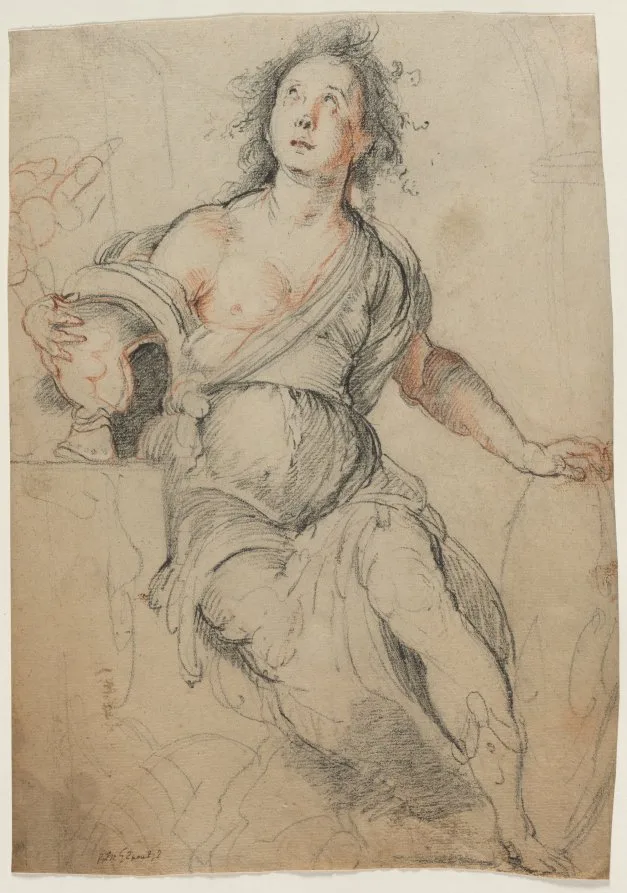
The second method costs the work out. Materials, studio rent, hours at some notional rate, then a margin on top. It produces defensible numbers and it collapses immediately when an artist gets faster, because improving your technique should not cut your income. Most artists who start here quietly abandon it once demand appears. The traces linger in price lists where a laboured picture costs more than a fluent one of the same size.
- Prices that scale exactly with dimensions, which means a size formula is in use
- A price list where the intense small pictures cost less than the easy large ones
- The same number quoted in the studio and at the gallery, as it should be
- Prices that rose in steps after shows sold out rather than drifting up at random
- Editions priced by scarcity, with later prints in the run costing more than early ones
- A discount offered instantly and without conditions, which suggests the number was invented
The third method is comparison, and it is the one that actually governs a mature practice. The artist looks at what painters of similar age, training and exhibition record are getting through comparable galleries, then places themselves in that range. It is circular and it works, because a price is only ever a claim about where somebody sits among their peers. When you see a price that seems out of line, the useful question is which peer group the artist believes they belong to.
Why prices go up and almost never down
An artist who lowers published prices tells every previous buyer that their picture is worth less than they paid. That is why prices rise in small steps and then stop, rather than falling when the work stops selling. In a slow year an artist would rather sell nothing, offer a private discount, or make smaller pictures at lower prices than cut the list. Understanding this makes the standard discount easier to read.
A price is a claim about which artists somebody believes they stand beside. Everything else is arithmetic laid over that claim.
Editorial note, LaArt
For a buyer the practical use of all this is modest and real. Ask how the price was arrived at, and treat the answer as information rather than as a haggling opening. A formula means the small pictures are the value. A comparison means you should go and look at the peer group before deciding whether the claim holds.
Want a curator’s take?
Ask a curator how this connects to the artists and work in the directory.
Ask a Curator-
Emily Dickinson: The Reclusive Poet Who Changed American Verse
Born in 1830 in Amherst, Massachusetts, Emily Dickinson wrote nearly 1,800 poems during her lifetime, though only a handful were published before her death in 1886. Her innovative use of form and syntax reshaped American poetry.
-
July 1951: J. D. Salinger’s The Catcher in the Rye Reaches American Readers
On July 16, 1951, Little, Brown published J. D. Salinger’s first and only full-length novel. The book quickly drew both strong praise and sharp criticism, while its teenage narrator became a distinctive voice in American fiction.
-
Charles Rennie Mackintosh and the Glasgow School of Art
Mackintosh won the competition for the Glasgow School of Art in 1897 as a junior draughtsman on a small budget. The building he produced is the one work everyone agrees about.
Read more in the Journal.
Or browse the full Artists Directory.